Showing posts with label change. Show all posts
Showing posts with label change. Show all posts
Monday, March 23, 2026


Friday, August 29, 2025
చీకటి వెలుగులు - గోపాలం మాటలలో
చీకటి వెలుగులు గోపాలం వ్యాసం
చీకటి వెలుగులు
ఒకప్పుడు పట్నంలో కూడా ప్రతి దినం కొన్ని గంటలపాటు కరెంటు ఉండేది కాదు. పల్లెల్లో
నయితే ఎన్ని గంటలసేపు
ఉంటుందో చెప్పగలిగితే గొప్ప! పల్లెలకు కూడా పంటల పేరున
కరెంటు ఇస్తామంటున్నరట. పట్నమంటే పెద్దలంతా ఉండి వ్యవహారం నడిపేచోటు. ఎక్కడ కరెంటుపోయినా అక్కడ పోవడానికి వీలులేదు. అక్కడ అంతా వెలుగే, నీడలు ఉండకూడదు. నేను రాజధాని ఢిల్లీలో ఉండగా డిప్లోమేటిక్ ఏరియా పక్కన ఉండే వాడిని.
ఊరంతా కరెంటు పోయినా సరే అక్కడ మాత్రం పోయేది కాదు. గొప్పవారికి చీకటితో పనిలేదు.
వాళ్లకు బతుకంతా వెలుగే.
ఎన్నిసార్లు అనుకున్నా మళ్ళీ దొరకని అందం,
జొన్నలు చల్లినట్లు నక్షత్రాలు కనిపించే ఆకాశం! చీకటి పోయింది. దానితో బాటే ఆకాశం అందాలూ మాయమయినాయి.
పగలంతా ప్రపంచతంత్రం నడుస్తుంది. రాత్రి
నడిచేది రమ్యమైన తంత్రం. లేదా రహస్య తంత్రం! మెదడుకు పనిచెప్పే పనులు, సాహిత్య, కళాజగత్తుకు సంబంధించిన
కార్యక్రమాలకు
ఈ చీకటి పొద్దుకన్నా మించిన సమయం మరొకటి లేదు. ఇంత వెలుగుల కాలంలోనూ, ఒకనాటకం, సినిమా, సంగీత కచేరీ నడవాలంటే సాయంత్రం కావల్సిందే.
అంతా వచ్చి చేరిన తర్వాత దీపాలు ఆర్పి చీకటి చేయవలసిందే. జరగబోయే కార్యక్రమానికి ఆ చీకటి
మన మనస్సుల్లో ఒక వాతావరణాన్ని తయారు చేస్తుంది.
పాత కాలంలోనయినా అమ్మమ్మ కథల నుంచి మొదలు అన్ని
రకాల కళారూపాలకు అనువయిన కాలం రాత్రిలో తొలిజాము. ఆ చీకట్లోనే మనసు పంచుకున్న జంటలు,
భయం భయంగానే ఒకచోట చేరి మాటలూ పంచుకునేది. అదంతా చీకటి సమయం. నీడల కాలం. ఈనాటి మీటలకాలంలో నీడలకు తావులేదు. సినిమాల్లో
టెలివిజన్ కథల్లో నీడలుండవు. అంటే
అదంతా నిజం కాదని సూచన. అన్యాయంగా నిజం జీవితంలో కూడా నీడలు లేకుండా పోతున్నాయి. నీడలతోనే కాలం కొలతలు వేసుకున్నారు.
ఒకప్పటి సన్డయల్, జంతర్ మంతర్లు అందుకు ఉదాహరణలు.
చూడు చూడు నీడలు, నీడలు పొగ మేడలు అన్న పాట బహుశా పెద్ద కవి ఎవరో రాశారు. నీడలు ఉండవు. కానీ కనిపిస్తాయి.
అవి మారుతుంటాయి. మనం ఉన్న చోటును బట్టి వాటిని గుర్తించాలి. దీపంలో నీడలు
కదలాడుతాయి. పగటి నీడలు పద్ధతిగా ఉంటాయి.
అందరికీ వెలుగు మీద ప్రేమ ఎక్కువ
అయినట్టు కనబడుతుంది. నేనేమో ఇంటి పై కప్పు లో ఏర్పాటుచేసిన లైట్ల లో బల్బులు
తెచ్చి పెట్టాను. కానీ గోడ మీద ఎల్ఈడి ట్యూబ్ లైట్లు ఏర్పాటు చేశారు. ఆ ట్యూబ్
లైట్ వెలిగిస్తే ఇళ్ళు ఇంటిలా గాక బట్టల అంగడిగా కనబడుతుంది. నాకు మరీ వెలుగు అంటే ఇష్టం లేదు. చీకటిని ఇష్టపడే
మనిషిని. ఇక ఈ మధ్యన హైదరాబాద్ నగరంలో అంగళ్లు మిగతా వాటికి, సైన్
బోర్డులు ఏర్పాటు చేస్తున్నారు. వాటి వెలుగుతో వీధి వీధి మొత్తం వెలిగిపోతున్నది.
మా ఇంటి నుండి మెయిన్ రోడ్డుకు వెళితే ఎదురుగా ఒక కొత్త హోటల్ పెట్టారు. ఆ పక్కన ఒక
చెప్పుల దుకాణం ఉంది. అవి రెండూ కలిసి స్ట్రీట్ లైట్ల అవసరం లేకుండా చేస్తున్నాయి. ఇటువంటి లైట్లు నగరమంతా
ఎక్కడ చూసినా కనబడుతున్నాయి. హైదరాబాదు అదేదో లాస్ వేగస్ లాగ, ఇలాంటి
వెలుగు నగరంగా మారిపోయింది. ఈ వెలుగులో నీడలో అస్సలు ఉండవు.
నిజానికి కళ్లకు చీకటి
అలవాటవుతుంది. కొంతసేపటికి చీకట్లో కూడా చూడగలుగుతాము. కనీసం వస్తువులు చూచాయగా
నైనా కనిపిస్తాయి. తెలివి విషయంలో మాత్రం ఈ పద్ధతి పనికిరాదు. అజ్ఞానం అనే చీకటి
లో నుంచి అందరూ వెలుగులోకి రావాలి. అప్పుడే చీకటి వెలుగుల మధ్య తేడా తెలుస్తుంది.
చీకటి వెలుగులు
ఒకప్పుడు పట్నంలో కూడా ప్రతి దినం కొన్ని గంటలపాటు కరెంటు ఉండేది కాదు. పల్లెల్లో
నయితే ఎన్ని గంటలసేపు
ఉంటుందో చెప్పగలిగితే గొప్ప! పల్లెలకు కూడా పంటల పేరున
కరెంటు ఇస్తామంటున్నరట. పట్నమంటే పెద్దలంతా ఉండి వ్యవహారం నడిపేచోటు. ఎక్కడ కరెంటుపోయినా అక్కడ పోవడానికి వీలులేదు. అక్కడ అంతా వెలుగే, నీడలు ఉండకూడదు. నేను రాజధాని ఢిల్లీలో ఉండగా డిప్లోమేటిక్ ఏరియా పక్కన ఉండే వాడిని.
ఊరంతా కరెంటు పోయినా సరే అక్కడ మాత్రం పోయేది కాదు. గొప్పవారికి చీకటితో పనిలేదు.
వాళ్లకు బతుకంతా వెలుగే.
ఎన్నిసార్లు అనుకున్నా మళ్ళీ దొరకని అందం,
జొన్నలు చల్లినట్లు నక్షత్రాలు కనిపించే ఆకాశం! చీకటి పోయింది. దానితో బాటే ఆకాశం అందాలూ మాయమయినాయి.
పగలంతా ప్రపంచతంత్రం నడుస్తుంది. రాత్రి
నడిచేది రమ్యమైన తంత్రం. లేదా రహస్య తంత్రం! మెదడుకు పనిచెప్పే పనులు, సాహిత్య, కళాజగత్తుకు సంబంధించిన
కార్యక్రమాలకు
ఈ చీకటి పొద్దుకన్నా మించిన సమయం మరొకటి లేదు. ఇంత వెలుగుల కాలంలోనూ, ఒకనాటకం, సినిమా, సంగీత కచేరీ నడవాలంటే సాయంత్రం కావల్సిందే.
అంతా వచ్చి చేరిన తర్వాత దీపాలు ఆర్పి చీకటి చేయవలసిందే. జరగబోయే కార్యక్రమానికి ఆ చీకటి
మన మనస్సుల్లో ఒక వాతావరణాన్ని తయారు చేస్తుంది.
పాత కాలంలోనయినా అమ్మమ్మ కథల నుంచి మొదలు అన్ని
రకాల కళారూపాలకు అనువయిన కాలం రాత్రిలో తొలిజాము. ఆ చీకట్లోనే మనసు పంచుకున్న జంటలు,
భయం భయంగానే ఒకచోట చేరి మాటలూ పంచుకునేది. అదంతా చీకటి సమయం. నీడల కాలం. ఈనాటి మీటలకాలంలో నీడలకు తావులేదు. సినిమాల్లో
టెలివిజన్ కథల్లో నీడలుండవు. అంటే
అదంతా నిజం కాదని సూచన. అన్యాయంగా నిజం జీవితంలో కూడా నీడలు లేకుండా పోతున్నాయి. నీడలతోనే కాలం కొలతలు వేసుకున్నారు.
ఒకప్పటి సన్డయల్, జంతర్ మంతర్లు అందుకు ఉదాహరణలు.
చూడు చూడు నీడలు, నీడలు పొగ మేడలు అన్న పాట బహుశా పెద్ద కవి ఎవరో రాశారు. నీడలు ఉండవు. కానీ కనిపిస్తాయి.
అవి మారుతుంటాయి. మనం ఉన్న చోటును బట్టి వాటిని గుర్తించాలి. దీపంలో నీడలు
కదలాడుతాయి. పగటి నీడలు పద్ధతిగా ఉంటాయి.
అందరికీ వెలుగు మీద ప్రేమ ఎక్కువ
అయినట్టు కనబడుతుంది. నేనేమో ఇంటి పై కప్పు లో ఏర్పాటుచేసిన లైట్ల లో బల్బులు
తెచ్చి పెట్టాను. కానీ గోడ మీద ఎల్ఈడి ట్యూబ్ లైట్లు ఏర్పాటు చేశారు. ఆ ట్యూబ్
లైట్ వెలిగిస్తే ఇళ్ళు ఇంటిలా గాక బట్టల అంగడిగా కనబడుతుంది. నాకు మరీ వెలుగు అంటే ఇష్టం లేదు. చీకటిని ఇష్టపడే
మనిషిని. ఇక ఈ మధ్యన హైదరాబాద్ నగరంలో అంగళ్లు మిగతా వాటికి, సైన్
బోర్డులు ఏర్పాటు చేస్తున్నారు. వాటి వెలుగుతో వీధి వీధి మొత్తం వెలిగిపోతున్నది.
మా ఇంటి నుండి మెయిన్ రోడ్డుకు వెళితే ఎదురుగా ఒక కొత్త హోటల్ పెట్టారు. ఆ పక్కన ఒక
చెప్పుల దుకాణం ఉంది. అవి రెండూ కలిసి స్ట్రీట్ లైట్ల అవసరం లేకుండా చేస్తున్నాయి. ఇటువంటి లైట్లు నగరమంతా
ఎక్కడ చూసినా కనబడుతున్నాయి. హైదరాబాదు అదేదో లాస్ వేగస్ లాగ, ఇలాంటి
వెలుగు నగరంగా మారిపోయింది. ఈ వెలుగులో నీడలో అస్సలు ఉండవు.
నిజానికి కళ్లకు చీకటి
అలవాటవుతుంది. కొంతసేపటికి చీకట్లో కూడా చూడగలుగుతాము. కనీసం వస్తువులు చూచాయగా
నైనా కనిపిస్తాయి. తెలివి విషయంలో మాత్రం ఈ పద్ధతి పనికిరాదు. అజ్ఞానం అనే చీకటి
లో నుంచి అందరూ వెలుగులోకి రావాలి. అప్పుడే చీకటి వెలుగుల మధ్య తేడా తెలుస్తుంది.
Thursday, July 17, 2025
Sangeethapriya - Lokabhiramam 4
Sangeethapriya
Here is my article "Sangeethapriya"
That appeared in Andhrabhoomi dailylong back.
కర్ణాటక సంగీతమనే చీమ కుట్టింది. సంగీతమంటే,
ఇదే సంగీతం మిగతాదంతా కాదు అన్న భావం బాగా గట్టిబడింది.
మొదట్లో శాస్త్రియసంగీతం వినాలంటే రేడియో ఒక్కటే దిక్కు. చిన్నప్పటినుంచీ, ఇంట్లో రేడియో, ట్రాన్సిస్టర్
రూపంలో ఉంది గనుక సరిపోయింది. చదువు పేరున ఇల్లు విడిచి దేశం మీద పడినప్పుడు
మొదట్లో రేడియో లేదు. సంగీతం అంతకన్నా లేదు. వరంగల్లో ఎం.ఎస్సీ చదువుతున్నప్పుడు
అక్కడ, సంగీత కచేరీలు జరిగేవేమో తెలియదు. అక్కడి
మెడికల్ కాలేజీలో ‘రేడియో’ సంగీత్ సమ్మేళన్’లో భాగంగా, శంకర్, సుబ్రమణ్యం, వైద్యనాథన్ సోదరుల వయొలిన్ త్రయం కచేరీ జరిగింది. ఆ సంగతి తెలిసి నేను
వెళ్లాను. అక్కడ జరిగిన రెండవది గాత్ర కచేరీ, ఎవరిదో గుర్తులేదు. సోదరత్రయానికి మృదంగం మీద సహకరించినది పాలఘాట్ మణి అయ్యర్
గారని గుర్తుకువస్తే, ఒళ్లు జలదరిస్తుంది. ఆయనను నేను మళ్లీ చూడలేదు.
ఆ అపర నందీశ్వరుడు కనిపించినపుడు, ఆయన గురించి నాకు
అంతగా తెలియదు. వరంగల్లోనే భద్రకాళి గుడిలో ఎం.ఎస్. బాలసుబ్రహ్మణ్య శర్మగారి
కచేరీ విన్నాను. ఆయన తన్మయత్వంలో ఎవరినీ పట్టించుకోకుండా పాడడం చాలా
బాగనిపించింది. అక్కడ జనం గోల చేస్తుంటే, ఆయన ఆపి, గట్టిగా అరిచి, మళ్లీ పాట
మొదలుపెట్టారు. బాగా గుర్తుంది!
శాస్త్రియ సంగీతం ఒకటి ఉంటుందని తెలియకుండానే
చాలామంది బతుకు చాలిస్తారు. తెలిసిన వాళ్లు కూడా చాలామంది వినరు. విన్న వారికి
చాలామందికి, ‘నాకిది అర్థం కాదు’ అన్న భావం ఉంటుంది. తిండి
తినే వారందరికీ వంట గురించి తెలుసునా? తినడం చాలదా?
సంగీతం వింటే చాలదా? అది తెలిస్తే రుచి పెరుగుతుందేమో గానీ, తెలియకుండానే వింటున్నాను నేను. అయినా బాగుంది.
హైదరాబాదుకు చేరేలోపలే, ఒక మిత్రుడిచ్చిన చిన్న ట్రాన్సిస్టరు ఒకటి నాకు సంగీతాన్ని, సంతోషాన్ని పంచి పెట్టింది. నాలుగు రూకలు రావడం మొదల
యింతర్వాత ఒక ట్రాన్సిస్టర్ కొన్నాను. హాస్టల్లో చాలామందికి, పాటలు వినాలన్న కోరిక ఉన్నా, రేడియో కొనాలన్న ఆలోచన మాత్రం లేదు. నేను చదివే పుస్తకాలు, మెచ్చుకునే సినిమాల కారణంగా, మిత్రులంతా కలిసి నాకు, ‘తాతయ్య’ అని పేరు
పెట్టారు. ‘తాతయ్య రేడియోలో సంగీతం తప్ప, సినిమా పాటలు పలకవు,
వదిలేయండి’ అనేవారు. నల్లకుంటలో ఒక గదిలో, తమ్మునితో బాటు ఉంటున్నప్పుడు, కూరలకని బయలుదేరి, టేప్రికార్డర్ కొని తెచ్చాను. ఇంటికి వచ్చి
డబ్బులు తీసుకుపోయి ఇచ్చినట్టు గుర్తు. అప్పటికి రికార్డెడ్ కాసెట్లు అంతగా
వచ్చేవి కావు. నా దగ్గర మరీ అంతగా పైసలు ఉండేవీ కావు.
రేడియోలో మీడియం వేవ్లోనే మద్రాసు కూడా
వినిపించేది. బాలమురళి కచేరీ, కాసెట్లో రికార్డ్
చేసి విన్నాను. సంగీత సేకరణకు అది ప్రారంభం. కమర్షియల్ కాసెట్లకు బోలెడు
డబ్బులవుతాయి. ఖాళీది కొని ఆ కాసెట్లకు కాపీలు చేసి ఇచ్చే వాళ్లున్నారని
తెలిసింది. అది అన్యాయమనీ, కళాకారుల పట్ల
ద్రోహమనీ భావం ఉన్నా కొంత కాలం తప్పలేదు. కొంచెం వెసులుబాటు కలిగిన తర్వాత
కాసెట్లు అసలు రికార్డింగులనే కొనడం మొదలయింది. రేడియో కచేరీలను రికార్డు చేయడం
కూడా సాగింది. అప్పట్లో ఒకసారి ఎల్లా వెంకటేశ్వరరావుగారు, శంకరమఠంలో 24 గంటలపాటు మృదంగం వాయించి రికార్డు
సృష్టించారు. నేను నా టేప్ రికార్డర్తోబాటు వెళ్లి, కార్యక్రమంలో కొంత భాగం, ఒక గంటపాటు
రికార్డు చేశాను. ఆ రికార్డింగ్లో నేను బంధించిన ఎన్.ఎస్.శ్రీనివాసన్, ఎల్లా గారలు తరువాత నాకు సహోద్యోగులు, మిత్రులు అవుతారని కలలో కూడా ఊహించలేదు. అంతకన్నా ఆశ్చర్యం,
ఆ రికార్డింగ్ను ఎమ్పీ త్రీగా మార్చి, ఇంటర్నెట్లో ప్రపంచంతో పంచుకుంటానని అసలే అనుకోలేదు.
ఎక్కడ కచేరీ జరిగినా, తిండిని కూడా మరచి వెళ్లి కూచోవటం అలవాటయింది. సీకా వాళ్లు టికెట్లు
అమ్ముతున్నారంటే, వారం రోజులపాటు మంచి సంగీతం వినడానికి గొప్ప
అవకాశం. రవీంద్రభారతిలో జరిగే, వారి ఫెస్టివల్
టికెట్ల మీద, ఇంకా నంబర్లు వేయకముందే వెళ్లి, నాకు కావలసిన వరుసలో, చివరి సీటు నంబరు వేసుకుని, టికెట్
తెచ్చుకున్నాను. సంగీతం వినడానికి ఏకంగా మద్రాసుకే వెళ్లడం దాకా చేరింది
పరిస్థితి.
ఒక్కసారి అక్కడి నుంచి, ఇటీవలి కాలంలోకి వస్తే, కంప్యూటర్
వచ్చింది. పాతకాలం, టేపులు, క్యాసెట్ల మీది రికార్డింగులను డిజిటయిజ్ చేసి వింటున్నారు. అటువంటి
సంగీతాన్ని, ఇంటర్నెట్లో పంచుకుంటున్నారు. నేను
ఇట్లాంటివేమీ మిస్ కాలేదని గర్వంగా చెప్పగలను. ఒక సహోద్యోగి అన్న మాట మీద
పట్టింపు వచ్చి కంప్యూటర్ వాడడం నేర్చుకున్నాను. అందులో మంచి నైపుణ్యాన్ని
సాధించానని చెప్పగలను. రికార్డింగులను డిజిటయిజ్ చేయడమూ నేర్చుకున్నాను. ఆ
రికార్డింగులను ఇంటర్నెట్లో పంచుకోవడమూ నేర్చుకున్నాను. నా దగ్గర ఉన్న కాసెట్
రికార్డులన్నీ అయిన తరువాత, సరేలే, మనకెందుకన్నట్లు ఊరుకున్నాను. స్వర్గీయ మిత్రులు
శ్రీనివాసన్ గారింట్లో ఆయన సేకరించిన కాసెట్లు ఉన్నాయి. శారదా శ్రీనివాసన్గారి
మంచితనం వల్ల, వాటినన్నిటినీ తెచ్చి, ‘కన్వర్ట్’ చేయసాగాను. వాటిని నా ‘బ్లాగు’ ద్వారా ప్రపంచంతో పంచుకోవడమూ
మొదలయింది. ఈ ప్రపంచంలో ఒకే ఆసక్తి గలవారంతా, ఒక చోట చేరడంలో ఆశ్చర్యం లేదు. ఇంటర్నెట్ ప్రపంచంలో అది మరింత సులభంగా
వీలవుతుంది.
శ్రీనివాసన్ రాజగోపాలన్ అనే ఒక ఉత్తముడు,
ఇంటర్నెట్లో ‘సంగీతప్రియ’ పేరున కర్ణాటక సంగీత అభిమానుల
బృందాన్ని రూపొందించారు. నా ఆసక్తి, శ్రమ వాళ్ల
దృష్టిలోకి వచ్చింది. నేను సేకరిస్తున్న సంగీతాన్ని, వాళ్లతో పంచుకోవలసిందిగా పిలుపునిచ్చారు. నాకు మొదట్లో అంతగా ఉత్సాహంగా
ఉండలేదు. కానీ, అప్పటికే ఇంటర్నెట్ ద్వారా, సంగీతాన్ని పంచుకునే మిత్రులతో మంచి పరిచయాలు ఏర్పడ్డాయి.
అలాంటి వారిలో కొందరు అప్పటికే ‘సంగీతప్రియ’ బృందంలో ఉన్నారు. బరోడాలో ఉండే,
కన్నడిగులయిన మిత్రులు గురుమూర్తిగారు, నన్ను ప్రోత్సహించారు. ‘ఈ పేరున మనకు సేకరణ మీద శ్రద్ధ
పెరుగుతుంది. ధ్యాసగా సంగీతం వినడం, అవసరంగా మారుతుంది’
అన్నారు. ‘నిజం గదా!’ అనిపించింది. ఒక ఉద్యమం మొదలయింది. ఇవాళ ఇంట్లో వేల గంటల
సంగీతం వచ్చి చేరింది. ఎక్కడెక్కడి నుంచి, మిత్రులు (కేవలం
సంగీత మిత్రులు) వారి దగ్గరున్న రికార్డింగులు, టేపులు, కాసెట్ల రూపంలో పంపుతున్నారు. తిండి, పుస్తకాలతో బాటు, శాస్త్రియ సంగీతం,
బతుకులో ఒక ముఖ్య మయిన భాగమయింది.
నా గొప్ప చెప్పుకోవడానికి మరెవరూ లేనప్పుడు,
అదేదో నేనే చెప్పుకోవాలట! కర్ణాటక సంగీత ప్రచారానికి సేవ
చేసిన వారికి, ‘సంగీతప్రియ’ వారు ‘రసిక ప్రియ’ అని ఒక
అవార్డును ప్రారంభించారు. 2011 సంవత్సరానికిగాను,
ఆ బహుమతిని నాకు ఇచ్చారు. 2012 ఫిబ్రవరిలో చెన్నైలో నాకు ఆ బహుమతిని ఇచ్చారు. ఈ సంగతి, సంగీతాభిమానులయిన కొందరికి తప్ప, చాలామందికి తెలియక పోవచ్చు! నా సంతోషం కొరకు నేనేదో చేస్తుంటే, మీరు నన్ను పిలిచి సన్మానిస్తున్నారు. అది మీ మంచితనం!’
అన్నట్లున్నాను ఆ సభలో!
గోపాలం, ఇలాంటి పనులు చేస్తాడని చెప్పి, రికార్డింగులు
అడిగితే ‘ఆయనకు ఏం ఇంటరెస్టు? ఏం లాభం?’ అని అడిగారట ఒక విద్వాంసులు. వినయంగా విన్నవించుకుంటున్నాను,
‘నాకు ఖర్చేగాని డబ్బు రాదు. కానీ, కలిగే ఆనందానికి అంతుల్లేవు!’
మన దేశంలో గ్రామోఫోన్ రికార్డింగుల తయారీ 1903లో మొదలయిందంటారు. సేలం గోదావరి అనే ఆవిడ ఎంతమందికి తెలుసు?
కోయంబత్తూరు తాయి రికార్డులు రేపిన సంచలనం గురించి కథలుగా
చెపుతారు. విజయనగరానికి చెందిన కళాకారుడొకాయన ఆ రోజుల్లోనే ఈలపాట మీద కర్ణాటక
సంగీతం వినిపించారు. పాతకాలపు రికార్డు చాలామంది ఇళ్లలో పడి ఉన్నాయి. అలాంటి
వాటిని సేకరించి పాటలను అందరితో పంచుకోవాలని, నాలాంటి కొందరు తాపత్రయ పడుతున్నారు.
తిరువయ్యారులో త్యాగరాజస్వామి వారి ఆలయం,
బెంగుళూరు నాగరత్నమ్మ అనే గాయని పుణ్యమా అని కట్టబడింది.
ఆమె గురించి మిత్రులు శ్రీరామ్ వెంకటకృష్ణన్, ‘దేవదాసి అండ్ ఎ సెయింట్’ అని పుస్తకం రాశారు. దానికి తెలుగు అనువాదం కూడా
వచ్చింది. సంగీత, సాహిత్య అభిమానులందరూ తప్పక చదవవలసిన
పుస్తకాలవి. తెలుగు సాహిత్యం గురించి నాగరత్నమ్మ పడిన కష్టాలు గొప్పవి!
శ్రీ
శ్రీ శ్రీ
శిశువులకు, పశువులకు, పాములకు గూడా సంగీతం తెలుసును, అని అర్థం వచ్చే మాట ఒకటి మనవాళ్లు చెపుతుంటారు .
శ్రీ
శ్రీ శ్రీ
మాటను సాగదీసి, పాటగా మార్చిన మొదటి మనుషులెవరో గానీ, వారికి ఈ ప్రపంచం
మొత్తం రుణపడి ఉంది. పాటలేని ప్రపంచం చాలా బోసిగా ఉంటుంది కదూ!
Friday, July 3, 2015
Property lead to more Work!!
This is an interesting observation!
We tend to think that more property causes one to become lazy.
During evolution, however, it was the other way round.
Read on.

And once there was property, laziness must have decreased. There were many ways in which hard work could produce enduring assets that could increase an individual’s fitness or that of his children and relatives. Farmers could save to buy more land or livestock. They could build long-lasting improvements like buildings or irrigation works. This was not really possible for hunter-gatherers—there was no way for them to accumulate wealth. If they had full stomachs and their tools and weapons were in good shape, hunter-gatherers didn’t work. They hung out: They talked, gossiped, and sang. They were lazy, and they should have been: Being lazy made biological sense. They could usually obtain enough food fairly easily, since constant local violence kept human numbers below the land’s carrying capacity. When law and order let human density increase, farmers eventually had to work harder and harder just to survive. Here again, selection must have favored those odd people who like to work, even when there was enough to eat.
Ultimately, this meant that both sexes had to work hard. In fact, for most people, that became the only way to produce enough to feed and raise a family. That pattern is not universal. In situations where resources are abundant, men sometimes do little work. Men working hard to feed their families—“high paternal investment,” we call it—is common among contemporary hunter-gatherers and may well have been a standard feature of the ancestors of all modern humans. Women bring in most of the calories in such societies (from plant foods), at least in warm climates, but the meat contributed by male hunters is a vital source of protein and other essential nutrients.
We tend to think that more property causes one to become lazy.
During evolution, however, it was the other way round.
Read on.

And once there was property, laziness must have decreased. There were many ways in which hard work could produce enduring assets that could increase an individual’s fitness or that of his children and relatives. Farmers could save to buy more land or livestock. They could build long-lasting improvements like buildings or irrigation works. This was not really possible for hunter-gatherers—there was no way for them to accumulate wealth. If they had full stomachs and their tools and weapons were in good shape, hunter-gatherers didn’t work. They hung out: They talked, gossiped, and sang. They were lazy, and they should have been: Being lazy made biological sense. They could usually obtain enough food fairly easily, since constant local violence kept human numbers below the land’s carrying capacity. When law and order let human density increase, farmers eventually had to work harder and harder just to survive. Here again, selection must have favored those odd people who like to work, even when there was enough to eat.
Ultimately, this meant that both sexes had to work hard. In fact, for most people, that became the only way to produce enough to feed and raise a family. That pattern is not universal. In situations where resources are abundant, men sometimes do little work. Men working hard to feed their families—“high paternal investment,” we call it—is common among contemporary hunter-gatherers and may well have been a standard feature of the ancestors of all modern humans. Women bring in most of the calories in such societies (from plant foods), at least in warm climates, but the meat contributed by male hunters is a vital source of protein and other essential nutrients.
Thursday, June 24, 2010
The Stream and the Desert
This is a story about the importance of change.
Ususally the first reaction to change is resistance.
But, without change we cannot expect much progress.
This is an ancient story.
It is interesting to note that wise people have identified the importance of change long back.
Read the story!
ప్రవాహం - ఎడారి
అది ఒక ప్రవాహం. దూరంగా ఉండే కొండలలో పుట్టింది.
అక్కడి నుంచి అందాలతో నిండిన రకరకాల ప్రాంతాల మీదుగా ప్రవహించింది.
చివరకొక ఎడారిని చేరింది.
అన్నిచోట్లా ఎన్నో అడ్డంకులను దాటుతూ ప్రవహించినట్లే, ఎడారిని కూడా దాటేయాలనుకున్నది ప్రవాహం. కానీ ఇసుకలోకి ప్రవేశించిందో లేదో, దాని నీరంతా మాయమయి పోతున్నది.
అయినా ఎడారిని దాటాలని ప్రవాహం పట్టుదలగా ఉంది. మరి ఏమిటి దారి
అంతట్లో ఎడారిలోనుంచి ఒక అదృశ్యవాణి వినిపించింది. “గాలి ఎడారిని దాటుతుంది. మరి ప్రవాహం కూడా ఎడారిని దాటగలగాలి” అన్నది ఆ గొంతు గుసగుసగా. ఆ గొంతు ఎడారి ఇసుకదే.
కానీ ఇసుకలోనేమో ప్రవాహం మాయమయి పోతున్నది. గాలి ఎగరగలుగుతుంది. అందుకే అది ఎడారిని దాటగలుగుతుంది. ప్రవాహానికి అనుమానంగా ఉంది.
“అవును! నీ పద్ధతిలో నీవు పరుగులు పెడితే, ఎడారిని దాటలేవు. లేకుండ పోతావు. లేదంటే మడుగవుతావు. నీవు గాలిని ఆశ్రయించాలి. గాలి నిన్ను ఎత్తుకుపోయి గమ్యం చేరుస్తుంది” అన్నది గొంతు.
“అదెట్లా?” అన్నది ప్రవాహం.
“గాలి నిన్ను తనలోకి పీల్చుకుంటుంది.”
అది ప్రవాహానికి నచ్చలేదు. ప్రవాహమంటే ఎదురు లేని పద్ధతి. స్వంత గుర్తింపు గల పద్ధతి. తన గుర్తింపును పోగొట్టుకుంటే, అది తిరిగి దొరికేనా, అనుమానం పుట్టింది.
“గాలి తనపని తాను చేస్తుంది. నీటిని గ్రహించి ఎడారిని దాటుతుంది. అక్కడ వదిలేస్తుంది. వర్షంగా కురిసిన నీరు తిరిగి ప్రవాహమవుతుంది!” అన్నది ఇసుక.
“నాకేమిటి నమ్మకం?”
“నమ్మకపోతే బురదగుంటగా మిగులుతావు. అదికూడా ఒకపూటలో జరిగే పనికాదు. అది ప్రవాహానికిపట్టవలసిన గతీకాదు.”
“నేను ప్రవాహంగా ఉన్నాను, ప్రవాహంగానే ఉండిపోలేనా?”
“ఏ రకంగానూ అది వీలయేట్టు లేదు. మారితే మళ్లీ ప్రవాహంగానూ మారే వీలుంది. అప్పుడూ నిన్ను ప్రవాహమనే అంటారు. ఇవాళటి ప్రవాహానికీ ఆ ప్రవాహానికీ తేడా ఏమిటి?”
ప్రవాహం తీవ్రంగా ఆలోచించింది. ఒకప్పటి తన స్థితి కళ్లముందు మెదిలింది. అంతా తానేనా? అంతా ఉండేదా? గాలిలోనుంచే పుట్టిందా ఏమిటి తాను? తాను తానేనా నిజంగా ?
ప్రవాహం గాలిని ఆశ్రయించింది. ఆవిరయింది. ఎత్తులకు ఎగిసింది. ఎడారిని దాటింది. కొండ మీద కురిసింది. ప్రవాహంగా మారింది. ప్రవాహానికిందంతా ఈసారి గుర్తుంది.
“అవును! నా అసలు రూపం సంగతి ఇప్పుడు అర్థమయింది.” అనుకున్నది ప్రవాహం. అది పాఠాలు నేర్చింది.
“అవును! ఇది కలకాలంగా జరుగుతున్న చక్రక్రమం. అంతటా వ్యాపించిన మాకది ఎప్పుడో తెలుసు!” అన్నది ఇసుక.
జీవన ప్రవాహం నడిచే తీరు కూడా ఇసుక మీద రాసి ఉందంటారు అందుకే.

A STREAM, from its source in far-off mountains, passing through every kind and description of countryside, at last reached the sands of the desert. Just as it had crossed every other barrier, the stream tried to cross this one, but it found that as fast as it ran into the sand, its waters disappeared.
It was convinced, however, that its destiny was to cross this desert, and yet there was no way.
Now a hidden voice, coming from the desert itself, whispered: The Wind crosses the desert, and so can the stream.'
The stream objected that it was dashing itself against the sand, and only getting absorbed: that the wind could fly, and this was why it could cross a desert. 'By hurtling in your own accustomed way you cannot get across. You will either disappear or become a marsh. You must allow the wind to carry you over, to your destination.' But how could this happen?
'By allowing yourself to be absorbed in the wind.' This idea was not acceptable to the stream. After all, it had never been absorbed before. It did not want to lose its individuality. And, once having lost it, how was one to know that it could ever be regained?
'The wind', said the sand performs this function. It takes up water, carries it over the desert, and then lets it fall again. Falling as rain, the water again becomes a river.'
'How can I know that this is true?' 'It is so, and if you do not believe it, you cannot become more than a quagmire, and even that could take many, many years; and it certainly is not the same as a stream.'
'But can I not remain the same stream that I am today?'
You cannot in either case remain so,' the whisper said. ‘Your essential part is carried away and forms a stream again. You are called what you are even today because you do not know which part of you is the essential one.'
When he heard this, certain echoes began to arise in the thoughts of the stream. Dimly, he remembered a state in which he—or some part of him, was it?—had been held in the arms of a wind. He also remembered—or did he?—that this was the real thing, not necessarily the obvious thing, to do.
And the stream raised his vapour into the welcoming arms of the wind, which gently and easily bore it upwards and along, letting it fall softly as soon as they reached the roof of a mountain, many, many miles away. And because he had had his doubts, the stream was able to remember and record more strongly in his mind the details of the experience. He reflected, 'Yes, now I have learned my true identity.'
The stream was learning. But the sands whispered: 'We know, because we see it happen day after day: and because we, the sands, extend from the riverside all the way to the mountain.'
And that is why it is said that the way in which the Stream of Life is to continue on its journey is written in the Sands.
Let us enjoy change in life!!
$$$$$$$$
Ususally the first reaction to change is resistance.
But, without change we cannot expect much progress.
This is an ancient story.
It is interesting to note that wise people have identified the importance of change long back.
Read the story!
ప్రవాహం - ఎడారి
అది ఒక ప్రవాహం. దూరంగా ఉండే కొండలలో పుట్టింది.
అక్కడి నుంచి అందాలతో నిండిన రకరకాల ప్రాంతాల మీదుగా ప్రవహించింది.
చివరకొక ఎడారిని చేరింది.
అన్నిచోట్లా ఎన్నో అడ్డంకులను దాటుతూ ప్రవహించినట్లే, ఎడారిని కూడా దాటేయాలనుకున్నది ప్రవాహం. కానీ ఇసుకలోకి ప్రవేశించిందో లేదో, దాని నీరంతా మాయమయి పోతున్నది.
అయినా ఎడారిని దాటాలని ప్రవాహం పట్టుదలగా ఉంది. మరి ఏమిటి దారి
అంతట్లో ఎడారిలోనుంచి ఒక అదృశ్యవాణి వినిపించింది. “గాలి ఎడారిని దాటుతుంది. మరి ప్రవాహం కూడా ఎడారిని దాటగలగాలి” అన్నది ఆ గొంతు గుసగుసగా. ఆ గొంతు ఎడారి ఇసుకదే.
కానీ ఇసుకలోనేమో ప్రవాహం మాయమయి పోతున్నది. గాలి ఎగరగలుగుతుంది. అందుకే అది ఎడారిని దాటగలుగుతుంది. ప్రవాహానికి అనుమానంగా ఉంది.
“అవును! నీ పద్ధతిలో నీవు పరుగులు పెడితే, ఎడారిని దాటలేవు. లేకుండ పోతావు. లేదంటే మడుగవుతావు. నీవు గాలిని ఆశ్రయించాలి. గాలి నిన్ను ఎత్తుకుపోయి గమ్యం చేరుస్తుంది” అన్నది గొంతు.
“అదెట్లా?” అన్నది ప్రవాహం.
“గాలి నిన్ను తనలోకి పీల్చుకుంటుంది.”
అది ప్రవాహానికి నచ్చలేదు. ప్రవాహమంటే ఎదురు లేని పద్ధతి. స్వంత గుర్తింపు గల పద్ధతి. తన గుర్తింపును పోగొట్టుకుంటే, అది తిరిగి దొరికేనా, అనుమానం పుట్టింది.
“గాలి తనపని తాను చేస్తుంది. నీటిని గ్రహించి ఎడారిని దాటుతుంది. అక్కడ వదిలేస్తుంది. వర్షంగా కురిసిన నీరు తిరిగి ప్రవాహమవుతుంది!” అన్నది ఇసుక.
“నాకేమిటి నమ్మకం?”
“నమ్మకపోతే బురదగుంటగా మిగులుతావు. అదికూడా ఒకపూటలో జరిగే పనికాదు. అది ప్రవాహానికిపట్టవలసిన గతీకాదు.”
“నేను ప్రవాహంగా ఉన్నాను, ప్రవాహంగానే ఉండిపోలేనా?”
“ఏ రకంగానూ అది వీలయేట్టు లేదు. మారితే మళ్లీ ప్రవాహంగానూ మారే వీలుంది. అప్పుడూ నిన్ను ప్రవాహమనే అంటారు. ఇవాళటి ప్రవాహానికీ ఆ ప్రవాహానికీ తేడా ఏమిటి?”
ప్రవాహం తీవ్రంగా ఆలోచించింది. ఒకప్పటి తన స్థితి కళ్లముందు మెదిలింది. అంతా తానేనా? అంతా ఉండేదా? గాలిలోనుంచే పుట్టిందా ఏమిటి తాను? తాను తానేనా నిజంగా ?
ప్రవాహం గాలిని ఆశ్రయించింది. ఆవిరయింది. ఎత్తులకు ఎగిసింది. ఎడారిని దాటింది. కొండ మీద కురిసింది. ప్రవాహంగా మారింది. ప్రవాహానికిందంతా ఈసారి గుర్తుంది.
“అవును! నా అసలు రూపం సంగతి ఇప్పుడు అర్థమయింది.” అనుకున్నది ప్రవాహం. అది పాఠాలు నేర్చింది.
“అవును! ఇది కలకాలంగా జరుగుతున్న చక్రక్రమం. అంతటా వ్యాపించిన మాకది ఎప్పుడో తెలుసు!” అన్నది ఇసుక.
జీవన ప్రవాహం నడిచే తీరు కూడా ఇసుక మీద రాసి ఉందంటారు అందుకే.

A STREAM, from its source in far-off mountains, passing through every kind and description of countryside, at last reached the sands of the desert. Just as it had crossed every other barrier, the stream tried to cross this one, but it found that as fast as it ran into the sand, its waters disappeared.
It was convinced, however, that its destiny was to cross this desert, and yet there was no way.
Now a hidden voice, coming from the desert itself, whispered: The Wind crosses the desert, and so can the stream.'
The stream objected that it was dashing itself against the sand, and only getting absorbed: that the wind could fly, and this was why it could cross a desert. 'By hurtling in your own accustomed way you cannot get across. You will either disappear or become a marsh. You must allow the wind to carry you over, to your destination.' But how could this happen?
'By allowing yourself to be absorbed in the wind.' This idea was not acceptable to the stream. After all, it had never been absorbed before. It did not want to lose its individuality. And, once having lost it, how was one to know that it could ever be regained?
'The wind', said the sand performs this function. It takes up water, carries it over the desert, and then lets it fall again. Falling as rain, the water again becomes a river.'
'How can I know that this is true?' 'It is so, and if you do not believe it, you cannot become more than a quagmire, and even that could take many, many years; and it certainly is not the same as a stream.'
'But can I not remain the same stream that I am today?'
You cannot in either case remain so,' the whisper said. ‘Your essential part is carried away and forms a stream again. You are called what you are even today because you do not know which part of you is the essential one.'
When he heard this, certain echoes began to arise in the thoughts of the stream. Dimly, he remembered a state in which he—or some part of him, was it?—had been held in the arms of a wind. He also remembered—or did he?—that this was the real thing, not necessarily the obvious thing, to do.
And the stream raised his vapour into the welcoming arms of the wind, which gently and easily bore it upwards and along, letting it fall softly as soon as they reached the roof of a mountain, many, many miles away. And because he had had his doubts, the stream was able to remember and record more strongly in his mind the details of the experience. He reflected, 'Yes, now I have learned my true identity.'
The stream was learning. But the sands whispered: 'We know, because we see it happen day after day: and because we, the sands, extend from the riverside all the way to the mountain.'
And that is why it is said that the way in which the Stream of Life is to continue on its journey is written in the Sands.
Let us enjoy change in life!!
$$$$$$$$
Friday, June 4, 2010
Change, A Challenge - The Story of the Changing Waters
మారిన నీరు - మారిన మనిషి
మోజెస్ గురువుగారయిన ఖిధ్ర్, ఒకానొకప్పుడు మానవాళికి ఒక హెచ్చరిక చేశారు. ఒకానొక దినాన, ప్రత్యేకంగా నిలువ చేసి ఉంచినవి తప్ప, ప్రపంచంలోని నీళ్లన్నీ మాయమవుతాయన్నారాయన. తరువాత కొత్తరకం నీళ్లు వస్తాయి. ఆ నీళ్లు తాగినవారికి పిచ్చి ఎక్కుతుంది. అది ఆయనగారి హెచ్చరిక. ఆ మాటలోని అసలు సందేశం ఒక మనిషికి మాత్రం అర్థమయింది. అతను నీటిని సేకరించి, ఒక రహస్యమయిన చోట దాచుకున్నాడు. మిగతా నీటి లక్షణం ఎప్పుడు మారుతుందా అని ఎదురు చూడసాగాడు.
అన్నట్టే ఒక రోజున నదులన్నీ స్తంభించాయి. బావులు ఎండిపోయినయి. ఈ మనిషి సంతోషంగా తను నీళ్లు దాచుకున్న చోటికి చేరాడు. ఆ నీటిని తాగుతూ ఉన్నాడు. ఒకటి రెండు రోజుల్లో తిరిగి జలపాతాలనుంచి నీరు దూకసాగింది. అంటే కొత్త నీళ్లు వచ్చినట్టు లెక్క. ఈ మనిషి, తరువాత అందరిలోకీ వెళ్లి గమనించసాగాడు.
అందరి ఆలోచనలు, మాటతీరు మారినట్టు సులభంగానే గమనించగలిగాడు. వారికెవరికీ గతం గుర్తు లేదు. గురువుగారి హెచ్చరిక అంతకన్నా గుర్తులేదు. ఈ మనిషి వాళ్లతో మాట్లాడే ప్రయత్నం చేసి, అందరిచేతా పిచ్చివాడు అనిపించుకున్నాడు. అందరూ ఇతనిని అవహేళన చేశారు కూడా.
అతను చాలా కాలం వరకు కొత్త నీటిని తాగకుండా గడిపాడు. రహస్యస్థలంలో తను దాచుకున్న నీటిని మాత్రమే తాగుతున్నాడు.
కానీ రానురాను అతనికి అందరి మధ్యన ఉంటూ కూడా ఒంటరివాడయిన భావం కలిగింది. తాను అందరిలాగ ఆలోచించడు. అందరిలాగ మాట్లాడడు. అది అతనికి కష్టంగా తోచింది.
చివరకు అతను కొత్త నీటిని తాగాలనే నిర్ణయానికి వచ్చాడు. తాగాడు. అందరిలాగే తానూ మారిపోయాడు.
అతనికి కూడా గురువుగారి హెచ్చరిక, తను నిలువ చేసిన నీళ్లు ఏవీ గుర్తు లేవు. మిగతా వారందరూ ఈ మనిషిని చూచి, “పిచ్చివాని పిచ్చి కుదిరింది లాగుంది. మళ్లీ మామూలు మనిషయ్యాడు!” అన్నారు.
అతనూ అందరిలాగే బతకసాగాడు.

When the Waters Were Changed
ONCE upon a time Khidr, the Teacher of Moses, called upon mankind with a warning. At a certain date, he said, all the water in the world which had not been specially hoarded would disappear. It would then be renewed, with different water, which would drive men mad.
Only one man listened to the meaning of this advice. He collected water and went to a secure place where he stored it, and waited for the water to change its character.
On the appointed date the streams stopped running, the wells went dry, and the man, who had listened, seeing this happening, went to his retreat and drank his preserved water.
When he saw, from his security, the waterfalls again beginning to flow, this man descended among the other sons of men. He found that they were thinking and talking in an entirely different way from before; yet they had no memory of what had happened, or of having been warned. When he tried to talk to them, he realized that they thought that he was mad, and they showed hostility or compassion, not understanding.
At first he drank none of the new water, but went back to his concealment, to draw on his supplies, every day. Finally, however, he took the decision to drink the new water because he could not bear the loneliness of living, behaving and thinking in a different way from everyone else. He drank the new water, and became like the rest. Then he forgot all about his own store of special water, and his fellows began to look upon him as a madman who had miraculously been restored to sanity.
So, Does that mean we have to change to keep up with the world?
?????????
మోజెస్ గురువుగారయిన ఖిధ్ర్, ఒకానొకప్పుడు మానవాళికి ఒక హెచ్చరిక చేశారు. ఒకానొక దినాన, ప్రత్యేకంగా నిలువ చేసి ఉంచినవి తప్ప, ప్రపంచంలోని నీళ్లన్నీ మాయమవుతాయన్నారాయన. తరువాత కొత్తరకం నీళ్లు వస్తాయి. ఆ నీళ్లు తాగినవారికి పిచ్చి ఎక్కుతుంది. అది ఆయనగారి హెచ్చరిక. ఆ మాటలోని అసలు సందేశం ఒక మనిషికి మాత్రం అర్థమయింది. అతను నీటిని సేకరించి, ఒక రహస్యమయిన చోట దాచుకున్నాడు. మిగతా నీటి లక్షణం ఎప్పుడు మారుతుందా అని ఎదురు చూడసాగాడు.
అన్నట్టే ఒక రోజున నదులన్నీ స్తంభించాయి. బావులు ఎండిపోయినయి. ఈ మనిషి సంతోషంగా తను నీళ్లు దాచుకున్న చోటికి చేరాడు. ఆ నీటిని తాగుతూ ఉన్నాడు. ఒకటి రెండు రోజుల్లో తిరిగి జలపాతాలనుంచి నీరు దూకసాగింది. అంటే కొత్త నీళ్లు వచ్చినట్టు లెక్క. ఈ మనిషి, తరువాత అందరిలోకీ వెళ్లి గమనించసాగాడు.
అందరి ఆలోచనలు, మాటతీరు మారినట్టు సులభంగానే గమనించగలిగాడు. వారికెవరికీ గతం గుర్తు లేదు. గురువుగారి హెచ్చరిక అంతకన్నా గుర్తులేదు. ఈ మనిషి వాళ్లతో మాట్లాడే ప్రయత్నం చేసి, అందరిచేతా పిచ్చివాడు అనిపించుకున్నాడు. అందరూ ఇతనిని అవహేళన చేశారు కూడా.
అతను చాలా కాలం వరకు కొత్త నీటిని తాగకుండా గడిపాడు. రహస్యస్థలంలో తను దాచుకున్న నీటిని మాత్రమే తాగుతున్నాడు.
కానీ రానురాను అతనికి అందరి మధ్యన ఉంటూ కూడా ఒంటరివాడయిన భావం కలిగింది. తాను అందరిలాగ ఆలోచించడు. అందరిలాగ మాట్లాడడు. అది అతనికి కష్టంగా తోచింది.
చివరకు అతను కొత్త నీటిని తాగాలనే నిర్ణయానికి వచ్చాడు. తాగాడు. అందరిలాగే తానూ మారిపోయాడు.
అతనికి కూడా గురువుగారి హెచ్చరిక, తను నిలువ చేసిన నీళ్లు ఏవీ గుర్తు లేవు. మిగతా వారందరూ ఈ మనిషిని చూచి, “పిచ్చివాని పిచ్చి కుదిరింది లాగుంది. మళ్లీ మామూలు మనిషయ్యాడు!” అన్నారు.
అతనూ అందరిలాగే బతకసాగాడు.

When the Waters Were Changed
ONCE upon a time Khidr, the Teacher of Moses, called upon mankind with a warning. At a certain date, he said, all the water in the world which had not been specially hoarded would disappear. It would then be renewed, with different water, which would drive men mad.
Only one man listened to the meaning of this advice. He collected water and went to a secure place where he stored it, and waited for the water to change its character.
On the appointed date the streams stopped running, the wells went dry, and the man, who had listened, seeing this happening, went to his retreat and drank his preserved water.
When he saw, from his security, the waterfalls again beginning to flow, this man descended among the other sons of men. He found that they were thinking and talking in an entirely different way from before; yet they had no memory of what had happened, or of having been warned. When he tried to talk to them, he realized that they thought that he was mad, and they showed hostility or compassion, not understanding.
At first he drank none of the new water, but went back to his concealment, to draw on his supplies, every day. Finally, however, he took the decision to drink the new water because he could not bear the loneliness of living, behaving and thinking in a different way from everyone else. He drank the new water, and became like the rest. Then he forgot all about his own store of special water, and his fellows began to look upon him as a madman who had miraculously been restored to sanity.
So, Does that mean we have to change to keep up with the world?
?????????
Wednesday, May 26, 2010
Confucius and Communication
కన్ఫ్యూషియస్
తన ఊళ్లో ఉంటే
మామూలుగా కనిపిస్తాడు. వినయంగా ఉంటాడు. మాటలు రావేమో అనిపించేట్టు ఉంటాడు.
ఇక రాజకుమారుని పూర్వీకుల మందిరాల్లో నయితే
ప్రతి విషయం గురించి క్షుణ్ణంగా మాట్లాడతాడు, కానీ ఆచితూచి మాట్లాడతాడు.
సభలో వేచి ఉన్నప్పుడు,తక్కువ స్థాయి అధికారులతోనయితే,
చప్పగా, సూటిగా మాట్లాడతాడు.
ప్రభువు సమక్షంలోనయితే,
అతని ప్రవర్తనలో గౌరవంతో బాటు ఒక అసౌకర్యబావం కనబడుతుంది.
అతిథుల మర్యాదకని యువరాజు పిలిచినప్పుడు,
అతని ముఖంతీరే మారుతుంది. కాళ్లు సులభంగా ముందుకు కదలవు.
తనతోబాటున్న ఇతర అధికారుల మీద ఆధారుడుతున్నట్టు వాలిపోతుంటాడు.
అవసరం కొద్దీ చేతులు కదిలిస్తుంటాడు. దుస్తులను సర్దుతూ ఉంటాడు.
పక్షిలాగ చేతులు ముందుక చాచి పరుగులు పెడతాడు.
అతిథి వెళ్లి పోయిన తర్వాత ఇక మళ్లీ రాడులే అంటాడు
రాజభవనంలోకి ప్రవేశిస్తుంటే,
వంగి నడుస్తాడు. ఆ ద్వారంలో తను పట్టడేమో అన్నట్టు.
నిలబడవలసి వస్తే మధ్యదారిలో మాత్రం ఉండడు.
గడపలను తొక్కకుండా దాటుతుంటాడు.
అంగణంలో నడుస్తుంటే,
అతని తీరు మారుతుంది. కాళ్లు వంగుతాయి.
శ్వాస అందదేమోనన్నట్టు తగ్గి మాటలాడతాడు.
సభలోకి ప్రవేశించేటప్పుడు,
దుస్తుల అంచులు రెండు చేతులా ఎత్తి పట్టుకుని మెట్లెక్కుతాడు.
ముందుకు వంగి, ఊపిరి తీయడం భయమేమోనన్నట్టు, బిగబట్టుకుని ఉంటాడు.
సభలోంచి బయటకు వస్తుంటే,
ఒక్కొక్క మెట్టుకూ సడలింపు కనబడుతుంది.
సంతృప్తి కనబడుతుంది.
చివరి మెట్టు దిగినాక,
చేతులాడిస్తూ ఇంటివేపు వేగంగా వెడతాడు.
అయినా మనిషి ముఖంలో ఏదో అసౌకర్యం కనబడుతుంది.
రాజదండం తన చేతిలో ఉంటే,
బరువు మోయలేకపోతున్నట్టు వంగిపోతుంటాడు.
నమస్కరించేప్పుడు కూడా దండాన్ని మరీ ఎత్తుకు ఎత్తడు.
మరీ కిందకూ దించడు.
అతని తీరులో అనుమానం కనబడుతుంది.
నడక బరువుగా నేలకు కట్టేసినట్టు సాగుతుంది.
బహుమతులు అందుకునేప్పుడు,
ముఖంలో భావాలుండవు.
తనవారి మధ్యలో మాత్రం,
ఎంతో ఆనందంగా కనబడతాడు.
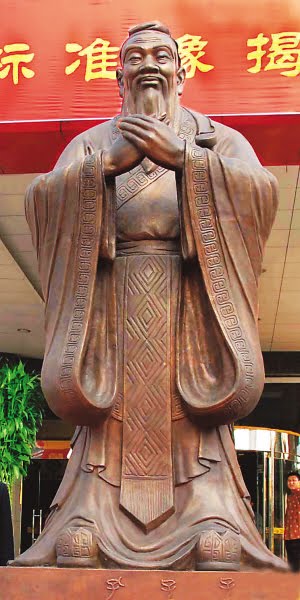
Confucius, in his village, looked simple and sincere, and as if he were not able to speak.
When he was in the prince's ancestral temple, or in the court, he spoke minutely on every point, but cautiously.
When he was waiting at court, in speaking with the great officers of the lower grade, he spoke freely, but in a straightforward manner; in speaking with those of the higher grade, he did so blandly, but precisely.
When the ruler was present, his manner displayed respectful uneasiness; it was grave, but self-possessed.
When the prince called him to employ him in the reception of a visitor, his countenance appeared to change, and his legs to move forward with difficulty.
He inclined himself to the other officers among whom he stood, moving his left or right arm, as their position required, but keeping the skirts of his robe before and behind evenly adjusted.
He hastened forward, with his arms like the wings of a bird.
When the guest had retired, he would report to the prince, "The visitor is not turning round any more."
When he entered the palace gate, he seemed to bend his body, as if it were not sufficient to admit him.
When he was standing, he did not occupy the middle of the gateway; when he passed in or out, he did not tread upon the threshold.
When he was passing the vacant place of the prince, his countenance appeared to change, and his legs to bend under him, and his words came as if he hardly had breath to utter them.
He ascended the reception hall, holding up his robe with both his hands, and his body bent; holding in his breath also, as if he dared not breathe.
When he came out from the audience, as soon as he had descended one step, he began to relax his countenance, and had a satisfied look.
When he had got the bottom of the steps, he advanced rapidly to his place, with his arms like wings, and on occupying it, his manner still showed respectful uneasiness.
When he was carrying the scepter of his ruler, he seemed to bend his body, as if he were not able to bear its weight. He did not hold it higher than the position of the hands in making a bow, or lower than their position in giving anything to another. His countenance seemed to change, and look apprehensive, and he dragged his feet along as if they were held by something to the ground.
In presenting the presents with which he was charged, he wore a placid appearance.
At his private audience, he looked highly pleased.
Do you get the message?
%%%%%%%
Wednesday, July 11, 2007
Passing the buck!
I keep telling this story again and again.
Here it goes once again!
Once there was a king.
He had seven sons.
Seven sons went fishing and brought seven fish.
They laid the seven fish for drying.
One among them was not getting dry.
"Fish! O Fish! Why are you not dry?"
"The hay stack came in the way!"
"Oh Hay Stack! Why did you come in the way?"
"The cow has not eaten me!"
"Hey Cow! Why did not you eat the grass?"
"The cowherd never took me there."
"Cowherd! O Cowherd! Why did not you take the cow to the grass?"
"Old lady did not give me food."
"Old Lady! Why did not you give food to the cowherd?"
"The little boy is crying."
"Little boy! Why are you crying?"
"The ant bit me!"
"Ant O Ant! Why did you bite the little boy?"
"What will I do if he puts his finger in the golden anthill?"
That is the end of the story.
Did the story end there?
What happened to the fish and the princes who brought them?
This is what usually happens.
The main point is forgotten in the name of details.
Here it goes once again!
Once there was a king.
He had seven sons.
Seven sons went fishing and brought seven fish.
They laid the seven fish for drying.
One among them was not getting dry.
"Fish! O Fish! Why are you not dry?"
"The hay stack came in the way!"
"Oh Hay Stack! Why did you come in the way?"
"The cow has not eaten me!"
"Hey Cow! Why did not you eat the grass?"
"The cowherd never took me there."
"Cowherd! O Cowherd! Why did not you take the cow to the grass?"
"Old lady did not give me food."
"Old Lady! Why did not you give food to the cowherd?"
"The little boy is crying."
"Little boy! Why are you crying?"
"The ant bit me!"
"Ant O Ant! Why did you bite the little boy?"
"What will I do if he puts his finger in the golden anthill?"
That is the end of the story.
Did the story end there?
What happened to the fish and the princes who brought them?
This is what usually happens.
The main point is forgotten in the name of details.
Wednesday, April 4, 2007
It is not my work!
Friends,
Managers understand this. Workers would understand it much better.
I have been a manager myself.
That too in a Governmant department.
All the appointment orders carry a sentence " any other work assigned from time to time" at the end of the work you are expected to do.
In spite of that we keep saying " It is not my job!"
There is a beautiful story narrated to me by my good friend Late sri Mallik ( B.Mallikarjuna Rao) about this problem.
Read it and use it if possible.
The Palanquin bearers.
Once there was a rich man. Since there were no cars in those days, he had a palanquin and four people to carry it around.
The rich man also had a big herd of cattle.
One day the most favourite cow of the rich man was lost.
The rich man asked the palanquin bearers to go in search of the cow.
May be he has sent the cowherd already.
Our friends, the palanquin bearers, like the employees of the present days said
పల్లకి మోయుట మా పనిగానీ ఆవును వెదుకుట మా పనిగాదని బోయీలనిరి.
" Our work is to carry the palanquin and not searching the lost cows."
The rich man promptly asked for the palanquin to be made ready and started the search himself.
Do I have to say that the bearers were carrying him?
Managers understand this. Workers would understand it much better.
I have been a manager myself.
That too in a Governmant department.
All the appointment orders carry a sentence " any other work assigned from time to time" at the end of the work you are expected to do.
In spite of that we keep saying " It is not my job!"
There is a beautiful story narrated to me by my good friend Late sri Mallik ( B.Mallikarjuna Rao) about this problem.
Read it and use it if possible.
The Palanquin bearers.
Once there was a rich man. Since there were no cars in those days, he had a palanquin and four people to carry it around.
The rich man also had a big herd of cattle.
One day the most favourite cow of the rich man was lost.
The rich man asked the palanquin bearers to go in search of the cow.
May be he has sent the cowherd already.
Our friends, the palanquin bearers, like the employees of the present days said
పల్లకి మోయుట మా పనిగానీ ఆవును వెదుకుట మా పనిగాదని బోయీలనిరి.
" Our work is to carry the palanquin and not searching the lost cows."
The rich man promptly asked for the palanquin to be made ready and started the search himself.
Do I have to say that the bearers were carrying him?
Monday, March 19, 2007
New Year and Change
New year and Change
కొత్త సంవత్సరం
సర్వజిత్తు
మీకందరికీ
కొత్త ఉత్సాహాన్ని ఇస్తుందని
మనసారా నమ్ముతున్నాను.
-- మీ విజయగోపాల్
మనవారికి ప్రతి విషయంలోనూ అనుమానమే. పండుగ ఎన్నడా అని అనుమానం వచ్చింది. పెద్దలను అడిగితే తలొక తీరు చెప్పారు. ఇక మిగతావారు కీచులాటలకు దిగారు. టీవీ వాళ్లకు సంబరం. కెమెరా ముందు కాట్లాట ముగిసిన తర్వాత, “మీ యిష్టం వచ్చిననాడు పండుగ” అని తేల్చి చెప్పారు.
ప్రపంచం మారిందనడానికి ఇంతకన్నా మంచి ఉదాహరణ కావాలా?
I know some people are not able to see my new year message here.
I am bringing you the good wishes for a new year which started today!
Many people have many new years!
That itself is a testimony of the diversity that there is, in the human beings.
New year is supposed to bring new cheer into the lives of people.
After all it is in our calculations.
If you are not aware that a new year starts for some people, you are happily living in your own old year.
It is only the calendar that changes on a new year.
You can still choose to feel happy baout it and look forward to better days.
Change is a matter of mind.
If you want to change, you can do so on the last day of the old year1 That is the right occassion to change.
I bring to you another story that I read recently. It is once again about change. Tell me what do you feel in this regard!!!
Vijayagopal
Carrot, Egg, Coffee
A young woman went to her mother and told her about her life and how things were so hard for her. She did not know how she was going to make it and wanted to give up. She was tired of fighting and struggling. It seemed as one problem was solved a new one arose.
Her mother took her to the kitchen. She filled three pots with water and placed each on a high fire. Soon the pots came to a boil. In the first, she placed carrots, in the second she placed eggs and the last she placed ground coffee beans. She let them sit and boil, without saying a word. In about twenty minutes she turned off the burners.
She fished the carrots out and placed them in a bowl. She pulled the eggs out and placed them in a bowl. Then she ladled the coffee out and placed it in a bowl. Turning to her daughter, she asked, "Tell me, what do you see?"
"Carrots, eggs, and coffee," replied her daughter.
The mother asked her daughter to feel the carrots, who did and noted that they were soft. The mother then asked her to take an egg and break it. After pulling off the shell, the young woman observed the hard-boiled egg. Finally, the mother asked her to sip the coffee. The daughter smiled as she tasted its rich aroma.
The daughter asked, "What does it mean, mother?"
Her mother explained that each of these objects had faced the same adversity--boiling water--but each had reacted differently.
"Which are you?" the mother asked. "When adversity knocks on your door, how do you respond? Are you a carrot that seems strong, but with pain and adversity, wilts and become soft and loses strength? Are you the egg that appears not to change but whose heart is hardened? Or are you the coffee bean that changes the hot water, the very circumstance that brings the pain. When the water gets hot, it releases the fragrance and flavor. If you are like the bean, when things are at their worst, your very essence will change your environment for the better, making it sweet and palatable."
కొత్త సంవత్సరం
సర్వజిత్తు
మీకందరికీ
కొత్త ఉత్సాహాన్ని ఇస్తుందని
మనసారా నమ్ముతున్నాను.
-- మీ విజయగోపాల్
మనవారికి ప్రతి విషయంలోనూ అనుమానమే. పండుగ ఎన్నడా అని అనుమానం వచ్చింది. పెద్దలను అడిగితే తలొక తీరు చెప్పారు. ఇక మిగతావారు కీచులాటలకు దిగారు. టీవీ వాళ్లకు సంబరం. కెమెరా ముందు కాట్లాట ముగిసిన తర్వాత, “మీ యిష్టం వచ్చిననాడు పండుగ” అని తేల్చి చెప్పారు.
ప్రపంచం మారిందనడానికి ఇంతకన్నా మంచి ఉదాహరణ కావాలా?
I know some people are not able to see my new year message here.
I am bringing you the good wishes for a new year which started today!
Many people have many new years!
That itself is a testimony of the diversity that there is, in the human beings.
New year is supposed to bring new cheer into the lives of people.
After all it is in our calculations.
If you are not aware that a new year starts for some people, you are happily living in your own old year.
It is only the calendar that changes on a new year.
You can still choose to feel happy baout it and look forward to better days.
Change is a matter of mind.
If you want to change, you can do so on the last day of the old year1 That is the right occassion to change.
I bring to you another story that I read recently. It is once again about change. Tell me what do you feel in this regard!!!
Vijayagopal
Carrot, Egg, Coffee
A young woman went to her mother and told her about her life and how things were so hard for her. She did not know how she was going to make it and wanted to give up. She was tired of fighting and struggling. It seemed as one problem was solved a new one arose.
Her mother took her to the kitchen. She filled three pots with water and placed each on a high fire. Soon the pots came to a boil. In the first, she placed carrots, in the second she placed eggs and the last she placed ground coffee beans. She let them sit and boil, without saying a word. In about twenty minutes she turned off the burners.
She fished the carrots out and placed them in a bowl. She pulled the eggs out and placed them in a bowl. Then she ladled the coffee out and placed it in a bowl. Turning to her daughter, she asked, "Tell me, what do you see?"
"Carrots, eggs, and coffee," replied her daughter.
The mother asked her daughter to feel the carrots, who did and noted that they were soft. The mother then asked her to take an egg and break it. After pulling off the shell, the young woman observed the hard-boiled egg. Finally, the mother asked her to sip the coffee. The daughter smiled as she tasted its rich aroma.
The daughter asked, "What does it mean, mother?"
Her mother explained that each of these objects had faced the same adversity--boiling water--but each had reacted differently.
"Which are you?" the mother asked. "When adversity knocks on your door, how do you respond? Are you a carrot that seems strong, but with pain and adversity, wilts and become soft and loses strength? Are you the egg that appears not to change but whose heart is hardened? Or are you the coffee bean that changes the hot water, the very circumstance that brings the pain. When the water gets hot, it releases the fragrance and flavor. If you are like the bean, when things are at their worst, your very essence will change your environment for the better, making it sweet and palatable."
Subscribe to:
Posts (Atom)