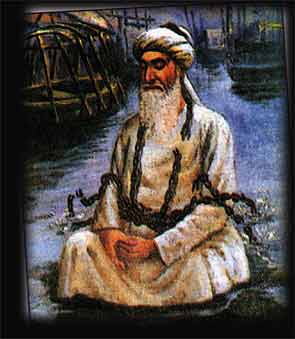
Sri T S Balakrishna Sastrigal composed a poem in honour of Great Sri Ariyakkudi Ramanuja Iyengar.
It is sung by an ardent disciple Sri Palghat K V Narayana Swamy.
Here is the text of the composition.
SrI viSNu pada - rAgamAlikA
TS Balakrishna Sastry Composition
stanzA 1: rAgam: yamunA kalyANi (yaman)
SrIviSNu pada chintana bhakthavaryam SrIvaiSNava kula praSuna prabhAvam
శ్రీ విష్ణు పద చింతన భక్తవర్యం శ్రీవైష్ణవ కులప్రసూన ప్రభావం
sangIta ratnAkara padmabhUSaNam sadguruvaram naUmi rAmanujAkyam
సంగీత రత్నాకర పద్మభూషణం సద్గురువరం నౌమి రామానుజాఖ్యం
stanzA 2: rAgam: nAdanAmakriyA (bhairav)
aSESa vidvath jana rAja maNDitam viSiSTa vaitALIka tAraka ASRyam
అశేష విద్వజ్జన రాజ మండితం విశిష్ట వైతాళిక తారకాశ్రయం
SuSiSTa SiSyamara pAlana vratam sadguruvaram naUmi rAmanujAkyam
సుశిష్ట శిష్యామర పాలనవ్రతం సద్గురువరం నౌమి రామానుజాఖ్యం
stanzA 3: rAgam: navarOz (no known uttarAdIya rAga/rAgini equivalent)
Siva guruguha gIta manOharam prabala prabhandhAdi kIrtanakaram
శివ గురుగుహ గీత మనోహరం ప్రబల ప్రబంధాది కీర్తనకరం
SuSRutilaya sukhagAtra gAyakam sadguruvaram naUmi rAmanujAkyam
సుశృతిలయ సుఖగాత్రగాయకం సద్గురువరం నౌమి రామానుజాఖ్యం
stanzA 4: rAgam: punnAgavarALi (no known uttarAdIya rAga/rAgini equivalent)
santata SouSilya sadguNa sAmpradam sukhabOdha bhOgya purvapuNya yutam
సంతత సౌశీల్య సద్గుణ సాంప్రదం సుఖబోధభోగ్య పూర్వపుణ్యయుతం
rAga gnAna viSESa lakSyalakSNam sadguruvaram naUmi rAmanujAkyam
రాగజ్ఞాన విశేష లక్ష్యలక్షణం సద్గురువరం నౌమి రామానుజాఖ్యం
stanzA 5: rAgam: kApi (kAfi)
saha gAyaka bRnda samstuta prabhum sahachAriNa vinOda chATu vAkyam
సహగాయకబృంద సంస్తుతప్రభుం సహచారిణ వినోద చాటువాక్యం
nija guru pada sEvita SiSya varyam sadguruvaram naUmi rAmanujAkyam
నిజగురు పదసేవిత శిష్యవర్యం సద్గురువరం నౌమి రామానుజాఖ్యం
stanzA 6: rAgam: sindhubhairavi (bhairavI)
SrItyAgabrahma SiSya kulAbdhi chandram SrInivasa pada sEvita antarangam
శ్రీత్యాగబ్రహ్మ శిష్యకులాబ్ధి చంద్రం శ్రీనివాస పదసేవితాంతరంగం
bhAratIya kalA pravINa bhASvaram sadguruvaram naUmi rAmanujAkyam
భారతీయ కళా ప్రవీణ భాస్వరం సద్గురువరం నౌమి రామానుజాఖ్యం
Here is the song in the voice of Sri KVNarayana Swamy to listen and download.
http://www.4shared.com/file/235285201/18415ed2/08-Srivishnupada-Ragamalika.html
Let us enjoy good music!
@@@@@@@
I am Gopalam Karamchedu also known as Vijayagopal. I am a writer communicator. I share my thoughts and the collections here. My interests include, books, management, classical music, culture, languages etc..Thanks to all the friends who make my efforts meaningful. You are welcome to add material here. Write to me if you want to contribute.
Saturday, March 6, 2010
Computer To Recognize Beauty
"Beauty," goes the old saying, "is in the eye of the beholder." But does the beholder have to be human?
Not necessarily, say scientists at Tel Aviv University. Amit Kagian, an M.Sc. graduate from the TAU School of Computer Sciences, has successfully "taught" a computer how to interpret attractiveness in women. But there's a more serious dimension to this issue that reaches beyond mere vanity. The discovery is a step towards developing artificial intelligence in computers. Other applications for the software could be in plastic and reconstructive surgery and computer visualization programs such as face recognition technologies.
From Mathematics to Aesthetics
"Until now, computers have been taught how to identify basic facial characteristics, such as the difference between a woman and a man, and even to detect facial expressions," says Kagian. "But our software lets a computer make an aesthetic judgment. Linked to sentiments and abstract thought processes, humans can make a judgment, but they usually don't understand how they arrived at their conclusions."
In the first step of the study, 30 men and women were presented with 100 different faces of Caucasian women, roughly of the same age, and were asked to judge the beauty of each face. The subjects rated the images on a scale of 1 through 7 and did not explain why they chose certain scores. Kagian and his colleagues then went to the computer and processed and mapped the geometric shape of facial features mathematically.
Additional features such as face symmetry, smoothness of the skin and hair color were fed into the analysis as well. Based on human preferences, the machine "learned" the relation between facial features and attractiveness scores and was then put to the test on a fresh set of faces.
Says Kagian, "The computer produced impressive results -- its rankings were very similar to the rankings people gave." This is considered a remarkable achievement, believes Kagian, because it's as though the computer "learned" implicitly how to interpret beauty through processing previous data it had received.
Beauty is Golden
The notion that beauty can be boiled down to binary data and interpreted by a mathematical model is nothing new. More than 2,000 years ago the Greek mystic, philosopher and mathematician Pythagoras observed the connection between math, geometry and beauty. He reasoned that features of physical objects corresponding to the "golden ratio" were considered most attractive.
"I know that Plato connected the good to the beautiful," says Kagian. "Personally, I believe that some kind of universal correctness to beauty exists in nature, an aesthetic interpretation of the universal truth. But because each of us is trapped with our own human biases and personalized viewpoints, this may detract us from finding the ultimate formula to a complete understanding of beauty."
Kagian, who studied under the Adi Lautman multidisciplinary program for outstanding students at Tel Aviv University, says that a possible next step is to teach computers how to recognize "beauty" in men. This may be more difficult. Psychological research has shown that there is less agreement as to what defines "male beauty" among human subjects. And his own portrait, jokes Kagian, will not be part of the experiment.
"I would probably blow up the machine," he says.
Kagian published the findings in the scientific journal Vision Research. Co-authors on the work were Kagian's supervisors Prof. Eytan Ruppin and Prof. Gideon Dror.
@@@@@
I liked this item!
I dont want to add any comments on this news item!!
@@@@@
Not necessarily, say scientists at Tel Aviv University. Amit Kagian, an M.Sc. graduate from the TAU School of Computer Sciences, has successfully "taught" a computer how to interpret attractiveness in women. But there's a more serious dimension to this issue that reaches beyond mere vanity. The discovery is a step towards developing artificial intelligence in computers. Other applications for the software could be in plastic and reconstructive surgery and computer visualization programs such as face recognition technologies.
From Mathematics to Aesthetics
"Until now, computers have been taught how to identify basic facial characteristics, such as the difference between a woman and a man, and even to detect facial expressions," says Kagian. "But our software lets a computer make an aesthetic judgment. Linked to sentiments and abstract thought processes, humans can make a judgment, but they usually don't understand how they arrived at their conclusions."
In the first step of the study, 30 men and women were presented with 100 different faces of Caucasian women, roughly of the same age, and were asked to judge the beauty of each face. The subjects rated the images on a scale of 1 through 7 and did not explain why they chose certain scores. Kagian and his colleagues then went to the computer and processed and mapped the geometric shape of facial features mathematically.
Additional features such as face symmetry, smoothness of the skin and hair color were fed into the analysis as well. Based on human preferences, the machine "learned" the relation between facial features and attractiveness scores and was then put to the test on a fresh set of faces.
Says Kagian, "The computer produced impressive results -- its rankings were very similar to the rankings people gave." This is considered a remarkable achievement, believes Kagian, because it's as though the computer "learned" implicitly how to interpret beauty through processing previous data it had received.
Beauty is Golden
The notion that beauty can be boiled down to binary data and interpreted by a mathematical model is nothing new. More than 2,000 years ago the Greek mystic, philosopher and mathematician Pythagoras observed the connection between math, geometry and beauty. He reasoned that features of physical objects corresponding to the "golden ratio" were considered most attractive.
"I know that Plato connected the good to the beautiful," says Kagian. "Personally, I believe that some kind of universal correctness to beauty exists in nature, an aesthetic interpretation of the universal truth. But because each of us is trapped with our own human biases and personalized viewpoints, this may detract us from finding the ultimate formula to a complete understanding of beauty."
Kagian, who studied under the Adi Lautman multidisciplinary program for outstanding students at Tel Aviv University, says that a possible next step is to teach computers how to recognize "beauty" in men. This may be more difficult. Psychological research has shown that there is less agreement as to what defines "male beauty" among human subjects. And his own portrait, jokes Kagian, will not be part of the experiment.
"I would probably blow up the machine," he says.
Kagian published the findings in the scientific journal Vision Research. Co-authors on the work were Kagian's supervisors Prof. Eytan Ruppin and Prof. Gideon Dror.
@@@@@
I liked this item!
I dont want to add any comments on this news item!!
@@@@@
Nityasree Mahadevan - Vocal
Nityasree is a true representative of good musical tradition.
She stands for everything that Pattammal stood.
Robustness in carnatic muisc is a favourite topic of discussion for many.
I stand on teh side of people who say, CM should be robust and not necessarily mslodious.
Nityasree has both these ingredients in her musics mixed judiciously.
Here is some interesting information about her!
Dr. Nithyasree Mahadevan, also previously referred to as S. Nithyashri, (born August 25, 1973) is an eminent Carnatic musician and playback singer for film songs in many Indian languages. Her paternal grandmother was the legendary Carnatic vocalist D. K. Pattammal, while her maternal grandfather is the legendary mridangam maestro, Palghat Mani Iyer. Her granduncle is the legendary Carnatic vocalist, D. K. Jayaraman.
Nithyashree has performed in all major sabhas in India and has presented her concerts in many destinations around the world. She has received multiple awards and honours, and has released more than 100 commercial albums.
Early life
Nithyasree was born to Lalitha Sivakumar and I. Sivakumar. Her paternal grandmother is the legendary Carnatic vocalist D. K. Pattammal,[1] while her maternal grandfather is the legendary mridangam maestro, Palghat Mani Iyer. Her granduncle is the legendary Carnatic vocalist, D. K. Jayaraman.[2]
Her mother, Lalitha Sivakumar, was her first guru (teacher).[2] Like her mother, Nithyashree was also the disciple of D. K. Pattammal, and would accompany her in concert. Nithyashree’s father, an accomplished mridangist and disciple of Palghat Mani Iyer, would constantly show his support and accompany Nithyashree when she performed.[3]
Music career
Nithyashree has performed in all major sabhas all over India and has presented her concerts in the United States of America, Canada, United Kingdom, Australia, United Arab Emirates, Germany, France, Singapore, Malaysia and various other destinations throughout the world.[3]
Titles and Awards
Nithyashree’s maiden performance was titled ‘best concert of the series’. She is an A.I.R. Prize Winner (1990) and has been an ‘A’ grade artist. She has been awarded the “Yuva Kala Bharathi” title by Bharath Kalachar in 1994, “Innisai Maamani” by Tamil Nadu Welfare Association, “Kalaimamani” by Hamsadhwani in 2000,[4] “Isai Paeroli” by Kartik Fine Arts in 2001,[5] and various other prestigious awards such as “, “Padma Sadhana” (2004), and “Naada Kovida” (2006).[6][7] She has received “Best Concert Award” from The Music Academy during the music festivals a couple of times and has also performed for the “Sangeeth Natak Academy” twice in their International Music Festivals in Bombay and Hyderabad. She has also received the “Best Promising Artiste” from “Mohanam” Music Club, and made a thematic album of compositions popularising the raga Mohanam. She was awarded a doctorate degree from Sathyabama university of Jeppiar in Chennai in late 2007.
D. K. Jayaraman and D. K. Pattammal were known for singing and popularising the compositions of Papanasam Sivan, having learnt them directly from the composer himself. Nithyashree has continued this tradition. She has also given a lecture demonstration in Coimbatore for Manoranjitham on “Papanasam Sivan - A Legend”, and made two special thematic albums that solely contained his compositions.
Lie D. K. Pattammal, Nithyashree has also popularised compositions of Gopalakrishna Bharathi. She presented a paper on the Life and Contribution of Gopalakrishna Bharathi for the Music Department of PSG College, Coimbatore. Her two thematic albums that solely consisted of his compositions have been very popular, both online and offline.
Nithyashree’s commanding, high-pitched voice is well suited to various genres of music including Carnatic music, devotional music, as well as patriotic and popular songs.
Here is an abum of Smt. Nityasree for your listening pleasure.
Items:
List:
01-Varnam – Vasanta
02- Durmarga – Ranjani
03- Meenalochana – Dhanyasi
04- RTP – shankarabharanam
05-Vasanta – Sivaranjani
06-Agale – Purya_Dhanasree
Link:
http://www.mediafire.com/?sharekey=10f3f26dc390f408ab1eab3e9fa335cab7a48d9562b89bad
Let us enjoy good music!
@@@@@@
She stands for everything that Pattammal stood.
Robustness in carnatic muisc is a favourite topic of discussion for many.
I stand on teh side of people who say, CM should be robust and not necessarily mslodious.
Nityasree has both these ingredients in her musics mixed judiciously.
Here is some interesting information about her!
Dr. Nithyasree Mahadevan, also previously referred to as S. Nithyashri, (born August 25, 1973) is an eminent Carnatic musician and playback singer for film songs in many Indian languages. Her paternal grandmother was the legendary Carnatic vocalist D. K. Pattammal, while her maternal grandfather is the legendary mridangam maestro, Palghat Mani Iyer. Her granduncle is the legendary Carnatic vocalist, D. K. Jayaraman.
Nithyashree has performed in all major sabhas in India and has presented her concerts in many destinations around the world. She has received multiple awards and honours, and has released more than 100 commercial albums.
Early life
Nithyasree was born to Lalitha Sivakumar and I. Sivakumar. Her paternal grandmother is the legendary Carnatic vocalist D. K. Pattammal,[1] while her maternal grandfather is the legendary mridangam maestro, Palghat Mani Iyer. Her granduncle is the legendary Carnatic vocalist, D. K. Jayaraman.[2]
Her mother, Lalitha Sivakumar, was her first guru (teacher).[2] Like her mother, Nithyashree was also the disciple of D. K. Pattammal, and would accompany her in concert. Nithyashree’s father, an accomplished mridangist and disciple of Palghat Mani Iyer, would constantly show his support and accompany Nithyashree when she performed.[3]
Music career
Nithyashree has performed in all major sabhas all over India and has presented her concerts in the United States of America, Canada, United Kingdom, Australia, United Arab Emirates, Germany, France, Singapore, Malaysia and various other destinations throughout the world.[3]
Titles and Awards
Nithyashree’s maiden performance was titled ‘best concert of the series’. She is an A.I.R. Prize Winner (1990) and has been an ‘A’ grade artist. She has been awarded the “Yuva Kala Bharathi” title by Bharath Kalachar in 1994, “Innisai Maamani” by Tamil Nadu Welfare Association, “Kalaimamani” by Hamsadhwani in 2000,[4] “Isai Paeroli” by Kartik Fine Arts in 2001,[5] and various other prestigious awards such as “, “Padma Sadhana” (2004), and “Naada Kovida” (2006).[6][7] She has received “Best Concert Award” from The Music Academy during the music festivals a couple of times and has also performed for the “Sangeeth Natak Academy” twice in their International Music Festivals in Bombay and Hyderabad. She has also received the “Best Promising Artiste” from “Mohanam” Music Club, and made a thematic album of compositions popularising the raga Mohanam. She was awarded a doctorate degree from Sathyabama university of Jeppiar in Chennai in late 2007.
D. K. Jayaraman and D. K. Pattammal were known for singing and popularising the compositions of Papanasam Sivan, having learnt them directly from the composer himself. Nithyashree has continued this tradition. She has also given a lecture demonstration in Coimbatore for Manoranjitham on “Papanasam Sivan - A Legend”, and made two special thematic albums that solely contained his compositions.
Lie D. K. Pattammal, Nithyashree has also popularised compositions of Gopalakrishna Bharathi. She presented a paper on the Life and Contribution of Gopalakrishna Bharathi for the Music Department of PSG College, Coimbatore. Her two thematic albums that solely consisted of his compositions have been very popular, both online and offline.
Nithyashree’s commanding, high-pitched voice is well suited to various genres of music including Carnatic music, devotional music, as well as patriotic and popular songs.
Here is an abum of Smt. Nityasree for your listening pleasure.
Items:
List:
01-Varnam – Vasanta
02- Durmarga – Ranjani
03- Meenalochana – Dhanyasi
04- RTP – shankarabharanam
05-Vasanta – Sivaranjani
06-Agale – Purya_Dhanasree
Link:
http://www.mediafire.com/?sharekey=10f3f26dc390f408ab1eab3e9fa335cab7a48d9562b89bad
Let us enjoy good music!
@@@@@@
A Lyric - Ragamayi
రాగమయీ
రావే నాలో సగభాగమయీ
అలమటిస్తున్న నా హృదయానికి
అమృతవర్షిణీ రాగమయీ
చిరునవ్వులనూ చిందించీ
చిలుకపలుకులతొ కరుణించీ
చెప్పవచ్చుగద నీదాననని
కీరవాణి అనురాగమయీ IIరాగమయీII
మవునంలో నను ముంచావూ
కలవేమో అనిపించావూ
చెప్పవచ్చుగద నేనున్నానని
కోకిలవరాళి రాగమయీ IIరాగమయీII
For many more lyrics of mine visit my web pages at http://vijagopalk.tripod.com/
$$$$$$$$
What are Headaches?
తలనొప్పి అంటే ఏమిటి?
తలలో రకరకాల భాగాలున్నాయి. అయినా, నొప్పి ఏ భాగంలో కలుగుతున్నదో తెలుసుకోకుండా, ఠోకున, తలనొప్పి అనడం మనకు అలవాటయింది. ప్రశ్న అడిగేదాకా చాలా మందికి ఈ విషయమే తోచదు.
తలలో అన్నిటికన్నా ముఖ్యమయిన భాగం మెదడు. చిత్రమేమిటంటే మెదడుకు నొప్పి తెలియదు. పుల్ల పెట్టి కుచ్చినా, కత్తి పెట్టి కోసినా పట్టించుకోని భాగం ఏదయినా ఉంటే, శరీరంలో మెదడు ఒకటే. అంటే తలనొప్పి అంటే, మెదడు నొప్పి మాత్రం కాదన్నమాట. తలనొప్పి అంటే, ముఖం, మెడ, తలలోని ఇతర భాగాల నొప్పి, అని చెప్పుకోవాలి. మిగతా భాగాలంటే, పుర్రె, ఎముకలు, చర్మం, కండ్లు, ముక్కు, చెవులు, నోరు. వీటన్నింటికి రక్తాన్ని అందించే రక్తనాళాలు ఉన్నాయి. వాటికి నొప్పి బాగా తెలుసు. మైగ్రేన్ లేదా పార్శ్వపు నొప్పి అనేరకం తలనొప్పికి ఎక్కువగా ఈ రక్తనాళాలే కారణం.
అన్నింటికన్నా ఎక్కువగా, తలనొప్పి, టెన్షన్ వల్ల వస్తుంది. అంటే తలలో కండరాలు బిగువయి, అసౌకర్యంగా ఉంటుంది. ఆ నొప్పి తెలుస్తుంది. మెడలో కండరాలుగానీ, నమలడానికి పనికివచ్చే దవడ ఎముకలమీది కండరాలుగానీ బిగుతు కావడంతో, ఈరకం తలనొప్పి పుడుతుంది. ఈ నొప్పికి బజార్లో దొరికే బామ్సు, మాత్రలు, ఏవయినా పనిచేస్తాయి. అంతకంటే ఎక్కువగా తలనొప్పి వచ్చిందంటే, చాలా సందర్భాలలో కారణం తెలియదు. కనుక ఏ కంపెనీ వారి ‘బాం’ పూసుకున్నా లాభం ఉండదు. ‘అనాల్జెసిక్స్’ అని, నొప్పి తెలియకుండా చేసే మాత్రలు ఉంటాయి. ఇవి నొప్పిని మెదడుకు తెలియకుండా చేస్తాయి కానీ, తగ్గించలేవు. వాటిని వాడినందుకు ఉపశమనం కలిగితే మంచిదే.
ఇక నాడులు, రక్తనాళాలు చాలా సున్నితమయిన భాగాలు. వీటి కారణంగా వచ్చే తలనొప్పి ఇంకొక రకం. వీటికి అసలు కారణం తెలుసుకుని దాన్ని తొలగించాలి తప్ప మామూలు మందులతో పని జరగదు.
తలలో ఒక వేపును మాత్రమే వేధించే పార్ళ్వపు నొప్పికి, ఆహారం, పని ఒత్తిడి, ఎక్కువ వెలుగు, పడని వాసనలు, ఇతర వాతావరణ అంశాలు కారణాలు. నాడులు పాడయినందుకు, మరి కొన్ని కారణాలవల్ల వచ్చే తలనొప్పులకు కూడా సరయిన వైద్యం జరగవలసిందే తప్ప మామూలు ‘టాబ్లెట్ వైద్యం’ పనికిరాదు.
సైనసులు నిండిపోయి, తల భారంగా ఉండడం కూడా తలనొప్పిగానే లెక్క! అన్ని రకాల తలనొప్పులకూ మందులున్నాయి. అన్ని తలనొప్పులకూ ఒకటే మందు అంటే మాత్రం తప్పు!
What are headaches?
There are many parts in the head. Without identifying the part in which pain is there, we tend to say, on the whole, there is headache! Many will not even realise this even when told!
The main part in the head is the brain. Wonder of wonders is that the brain can never sense pain. If there is a part in the human body which would not react when poked or even sliced with a knife, it is the brain. So, headache, after all, is not a pain in the brain. Then headache per se is pain in the other parts like, the face, neck, and the other areas. These other areas are again, skull, bones, skin, eyes, nose, ears, and the mouth. Then there are the vessels that supply blood to all these parts. They are very sensitive to pain and they are the victims for what is usually called the migraine.
The most usual kind of headache is due to tension. It means that the muscles in the head become tense and cause discomfort. We perceive this pain. Muscles in the neck, and those involved in macerating, like in the jaw, would become tense and cause headache. Any of the balms and tablets sold across the counter would do well for these pains. But, if the pain is severe, many a time, we wouldn’t know the cause. Then no balm would help! There are medications under the name of analgesics. They would only block the sensation of pain from reaching brain; they would never reduce the pain. If they give relief, there is no harm with them. Then theer are the ever sensitive nerves and the blood vessels. They cause another kind of headaches. The cure then should be for the root cause and not temporary like balms and tablets.
The pain that comes up in only one side in the head, namely migraine, is a result of food allergies, stress, bright light, certain smells, and other environmental reasons. Medication for the headache due to nerves also calls for expert advice.
Sinuses being clogged and the resultant discomfort also is a headache for us. There is cure available for all kinds of headaches. But, we are wrong, if we think that one medicine would cure all of them!
##########
తలలో రకరకాల భాగాలున్నాయి. అయినా, నొప్పి ఏ భాగంలో కలుగుతున్నదో తెలుసుకోకుండా, ఠోకున, తలనొప్పి అనడం మనకు అలవాటయింది. ప్రశ్న అడిగేదాకా చాలా మందికి ఈ విషయమే తోచదు.
తలలో అన్నిటికన్నా ముఖ్యమయిన భాగం మెదడు. చిత్రమేమిటంటే మెదడుకు నొప్పి తెలియదు. పుల్ల పెట్టి కుచ్చినా, కత్తి పెట్టి కోసినా పట్టించుకోని భాగం ఏదయినా ఉంటే, శరీరంలో మెదడు ఒకటే. అంటే తలనొప్పి అంటే, మెదడు నొప్పి మాత్రం కాదన్నమాట. తలనొప్పి అంటే, ముఖం, మెడ, తలలోని ఇతర భాగాల నొప్పి, అని చెప్పుకోవాలి. మిగతా భాగాలంటే, పుర్రె, ఎముకలు, చర్మం, కండ్లు, ముక్కు, చెవులు, నోరు. వీటన్నింటికి రక్తాన్ని అందించే రక్తనాళాలు ఉన్నాయి. వాటికి నొప్పి బాగా తెలుసు. మైగ్రేన్ లేదా పార్శ్వపు నొప్పి అనేరకం తలనొప్పికి ఎక్కువగా ఈ రక్తనాళాలే కారణం.
అన్నింటికన్నా ఎక్కువగా, తలనొప్పి, టెన్షన్ వల్ల వస్తుంది. అంటే తలలో కండరాలు బిగువయి, అసౌకర్యంగా ఉంటుంది. ఆ నొప్పి తెలుస్తుంది. మెడలో కండరాలుగానీ, నమలడానికి పనికివచ్చే దవడ ఎముకలమీది కండరాలుగానీ బిగుతు కావడంతో, ఈరకం తలనొప్పి పుడుతుంది. ఈ నొప్పికి బజార్లో దొరికే బామ్సు, మాత్రలు, ఏవయినా పనిచేస్తాయి. అంతకంటే ఎక్కువగా తలనొప్పి వచ్చిందంటే, చాలా సందర్భాలలో కారణం తెలియదు. కనుక ఏ కంపెనీ వారి ‘బాం’ పూసుకున్నా లాభం ఉండదు. ‘అనాల్జెసిక్స్’ అని, నొప్పి తెలియకుండా చేసే మాత్రలు ఉంటాయి. ఇవి నొప్పిని మెదడుకు తెలియకుండా చేస్తాయి కానీ, తగ్గించలేవు. వాటిని వాడినందుకు ఉపశమనం కలిగితే మంచిదే.
ఇక నాడులు, రక్తనాళాలు చాలా సున్నితమయిన భాగాలు. వీటి కారణంగా వచ్చే తలనొప్పి ఇంకొక రకం. వీటికి అసలు కారణం తెలుసుకుని దాన్ని తొలగించాలి తప్ప మామూలు మందులతో పని జరగదు.
తలలో ఒక వేపును మాత్రమే వేధించే పార్ళ్వపు నొప్పికి, ఆహారం, పని ఒత్తిడి, ఎక్కువ వెలుగు, పడని వాసనలు, ఇతర వాతావరణ అంశాలు కారణాలు. నాడులు పాడయినందుకు, మరి కొన్ని కారణాలవల్ల వచ్చే తలనొప్పులకు కూడా సరయిన వైద్యం జరగవలసిందే తప్ప మామూలు ‘టాబ్లెట్ వైద్యం’ పనికిరాదు.
సైనసులు నిండిపోయి, తల భారంగా ఉండడం కూడా తలనొప్పిగానే లెక్క! అన్ని రకాల తలనొప్పులకూ మందులున్నాయి. అన్ని తలనొప్పులకూ ఒకటే మందు అంటే మాత్రం తప్పు!
What are headaches?
There are many parts in the head. Without identifying the part in which pain is there, we tend to say, on the whole, there is headache! Many will not even realise this even when told!
The main part in the head is the brain. Wonder of wonders is that the brain can never sense pain. If there is a part in the human body which would not react when poked or even sliced with a knife, it is the brain. So, headache, after all, is not a pain in the brain. Then headache per se is pain in the other parts like, the face, neck, and the other areas. These other areas are again, skull, bones, skin, eyes, nose, ears, and the mouth. Then there are the vessels that supply blood to all these parts. They are very sensitive to pain and they are the victims for what is usually called the migraine.
The most usual kind of headache is due to tension. It means that the muscles in the head become tense and cause discomfort. We perceive this pain. Muscles in the neck, and those involved in macerating, like in the jaw, would become tense and cause headache. Any of the balms and tablets sold across the counter would do well for these pains. But, if the pain is severe, many a time, we wouldn’t know the cause. Then no balm would help! There are medications under the name of analgesics. They would only block the sensation of pain from reaching brain; they would never reduce the pain. If they give relief, there is no harm with them. Then theer are the ever sensitive nerves and the blood vessels. They cause another kind of headaches. The cure then should be for the root cause and not temporary like balms and tablets.
The pain that comes up in only one side in the head, namely migraine, is a result of food allergies, stress, bright light, certain smells, and other environmental reasons. Medication for the headache due to nerves also calls for expert advice.
Sinuses being clogged and the resultant discomfort also is a headache for us. There is cure available for all kinds of headaches. But, we are wrong, if we think that one medicine would cure all of them!
##########
Kabir - a Haunting Melody
This is one song I heard a long time ago.
I did not even understand it at that time.
I liked it, anyway!
Listen to the song yourself!
Where do you search me?
Moko Kahan Dhundhere Bande
Mein To Tere Paas Mein
Na Teerath Mein, Na Moorat Mein
Na Ekant Niwas Mein
Na Mandir Mein, Na Masjid Mein
Na Kabe Kailas Mein
Mein To Tere Paas Mein Bande
Mein To Tere Paas Mein
Na Mein Jap Mein, Na Mein Tap Mein
Na Mein Brat Upavas Mein
Na Mein Kiriya Karm Mein Rehta
Nahin Jog Sanyas Mein
Nahin Pran Mein Nahin Pind Mein
Na Brahmand Akash Mein
Na Mein Prakuti Prawar Gufa Mein
Nahin Swasan Ki Swans Mein
Khoji Hoye Turat Mil Jaoon
Ik Pal Ki Talas Mein
Kahet Kabir Suno Bhai Sadho
Mein To Hun Viswas Mein
English Translation:
Where do you search me?
I am with you
Not in pilgrimage, nor in icons
Neither in solitudes
Not in temples, nor in mosques
Neither in Kaba nor in Kailash
I am with you O man
I am with you
Not in prayers, nor in meditation
Neither in fasting
Not in yogic exercises
Neither in renunciation
Neither in the vital force nor in the body
Not even in the ethereal space
Neither in the womb of Nature
Not in the breath of the breath
Seek earnestly and discover
In but a moment of search
Says Kabir, Listen with care
Where your faith is, I am there.
Kabir
| Moko Kahan Dhoonde... |
Vemana Padyam
ఒకరి నోరుకొట్టి యొకరు భక్షించిన
వాని నోరు మిత్తి వరుసగొట్టు
చేపపిండు బెద్ద చేపలు చంపును
చేపలన్ని జనుడు చంపు వేమ.
okari nOru koTTi yokaru BakSincina
vAni nOru mitti varusa goTTu
cEpa pinDu bedda cEpalu jampunu
cEpalanni januDu jampu vEma
ఒకరి నోరుకొట్టి = Snatching the food from one
యొకరు = another
భక్షించిన = if eats
వాని నోరు = his food
మిత్తి = death
వరుసగొట్టు = beats in a line
చేపపిండు = school of fish
బెద్ద చేపలు = big fish
చంపును = kills
చేపలన్ని= all the fish
జనుడు చంపు = man would kill
వేమ = O! Vema
Purport
If one snatches the food from another's mouth and eats, he will be looked after by death in the cyclic manner. Big fish eats small fish in large numbers. Then man would kill that big fish.
You harm someone. That someone may not be in a position to retaliate or take revenge. But, as a course of natural justice there would be another party which will level your ill doings. One steals the food from the others plate. This is more metaphorical than realistic. One causes grief or loss to another. It is not necessary that then and there, something would happen to the offender. Vemana says at least death makes the offender pay for his sins. He gives the example with the well known big fish eat small fish paradigm. But, interestingly Vemana brings humans as the ultimate killer in the cycle. Man kills the big fish that earlier killed many small fish. But, what would be the fate of this man if he has also violated the balance in nature by his act of killing?
Vemana is an unending source of inspiration!
@@@@@@
వాని నోరు మిత్తి వరుసగొట్టు
చేపపిండు బెద్ద చేపలు చంపును
చేపలన్ని జనుడు చంపు వేమ.
okari nOru koTTi yokaru BakSincina
vAni nOru mitti varusa goTTu
cEpa pinDu bedda cEpalu jampunu
cEpalanni januDu jampu vEma
ఒకరి నోరుకొట్టి = Snatching the food from one
యొకరు = another
భక్షించిన = if eats
వాని నోరు = his food
మిత్తి = death
వరుసగొట్టు = beats in a line
చేపపిండు = school of fish
బెద్ద చేపలు = big fish
చంపును = kills
చేపలన్ని= all the fish
జనుడు చంపు = man would kill
వేమ = O! Vema
Purport
If one snatches the food from another's mouth and eats, he will be looked after by death in the cyclic manner. Big fish eats small fish in large numbers. Then man would kill that big fish.
You harm someone. That someone may not be in a position to retaliate or take revenge. But, as a course of natural justice there would be another party which will level your ill doings. One steals the food from the others plate. This is more metaphorical than realistic. One causes grief or loss to another. It is not necessary that then and there, something would happen to the offender. Vemana says at least death makes the offender pay for his sins. He gives the example with the well known big fish eat small fish paradigm. But, interestingly Vemana brings humans as the ultimate killer in the cycle. Man kills the big fish that earlier killed many small fish. But, what would be the fate of this man if he has also violated the balance in nature by his act of killing?
Vemana is an unending source of inspiration!
@@@@@@
Subscribe to:
Posts (Atom)