Saturday, June 20, 2015

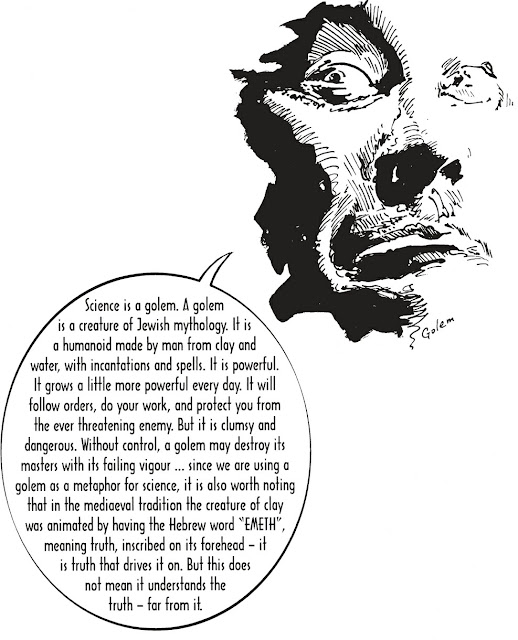
What is Science?

No explanations needed!!


Wednesday, May 6, 2015

Damerla Ramarao - obit

This is an article published in the magazine Sharada after the sad demise of the young artiste.

దామెర్ల రామారావు


                రాజమహేంద్రవర పుర వాస్తవ్యులగు దామెర్ల రామారావుగారి యకాలమరణమును గూర్చి నివేదించుట కెంతయు చింతిలుచున్నారము. వీరి కిరువది యేడువత్సరములు మాత్రమే వయస్సు. కాని వారికిప్పుడే శతవర్ష పరిమితి యగుట యాంధ్రుల దురదృష్టమనుటకు సందియములేదు. వీరాంధ్ర దేశమునందేకాక భారతదేశము నందును ` ఖండాంతరముల యందుగూడ కీర్తిగణించిరి. వీరివలననే దేశ దేశాంతరములు ` ఖండ ఖండాంతరములయందు శిల్ప కళాసామ్రాజ్యము నందాంధ్రుల కర్హస్థానము లభించునని యువ్విళ్లూరుతుండ బంధుమిత్రులు, విద్యార్థులు, విద్యాధికుల కోరికల నూడబెరికి రామారావుగారిని పరలోకమునకుగొని యేగిన విధి నేమన వలయును?

                వీరితండ్రి దామెర్ల రమణారావు పంతులుగారు ప్రసిద్ధికెక్కిన వైద్యులైయుండిరి. సంఘసంస్కార ప్రియులు. వీరేశలింగం పంతులుగారికి కుడిభజమైయుండిరి. అందువలననే వారు పుత్రికా పుత్రుల కున్నతవిద్య జెప్పించి పరమపదించిరి. వీరియున్న గారగు వేంకటరావుగారు కూల్డ్రేగారి శిష్యులు. ఆర్ట్సు కాలేజి ప్రింసిపాలగు కూల్డేగారే రాజమహేంద్ర వరమున శిల్పబీజముల నాటిన మహనీయుడు. చాలమంది యువకులను చేర దీసి కళావిషయముల బోధించియుండిరి. వారి యపూర్వాదరణకు బాత్రమైన వారిలో ముఖ్యులు మన రామారావు గారొక్కరు.

                రామారావుగారికి స్వభావ సిద్ధముగనే శిల్పకళ యలవడెను. ఈయన బాల్యము నుండియు చిత్తరువుల రచించుచుండిరి. వీరు చిన్నప్పుడు స్వతంత్రముగ రచించిన చిత్తరువుల గాంచి కూల్డేగా రానంద భరితులై యీతడాంధ్రదేశమున శిల్పపీఠము నలంకరింప గలడను నమ్మకమున ధనసహాయమొనర్చి బొంబాయియందు గవర్నమెంటువారు స్ధాపించిన శిల్ప కళాశాలకు బంపించిరి.
                అచ్చటనయిదువత్సరములు శిల్పవిద్యనభ్యసింపవలయును. కాని ప్రధమముననే రామరావుగారిన మూడవతరగతియందు జేర్చుకొనిరి. ఉపాధ్యాయులు విద్యార్ధులు నబ్బురబాటు జెంద వీరుమూడువత్సరములలో సంపూర్ణ పాండిత్యమునార్జించి ప్రఖ్యాతిగాంచిరి. ఆ కాలేజి ప్రింసిపాలగు సాలమనుగారు అజంటా పద్ధతులనుగ ఊడ తన పద్ధతులయందు జొప్పింపజొచ్చెను. రామారావుగారు సాలమను మొదలగు ప్రముఖుల యాశీర్వాదమునొంది యజంటాకేగి యచ్చటి మనోహర ప్రాచ్య శిల్ప చిత్తరువులగాంచి కలకత్తాకేగి జగద్వ్యిఖ్యాతి గాంచిన భారతీయ చిత్రకళాచార్యులగు అవనీంద్ర నాధటాగూరు, గగనేంద్ర నాధటాగూరు, నందలాల్‌బోసు మొదలగు శేముషీ దురంధరుల దర్శించి పావనగోదా నరీసలిలముల పవిత్రమగుచున్న రాజమహేంద్ర పురమున స్వగృహమునందు చిత్రరచనకు గడంగిరి. వీరురచించిన గోదావరి చిత్తరువునొక దానిని శారద, యందు బ్రచురించు యుంటిమి. ఆ చిత్తరువు పాఠకుల మిక్కుటముగ నాకర్షించియుంట యతిశయోక్తిగాదు. రాజమహేంద్రవరము కాకినాడ పురములయందు జరిగిన ప్రదర్శనములయందు వీరికి ప్రధమ బహుమానము వచ్చెను.

                1922 సంవత్సరమున కలకత్తాయందు జరిగిన ప్రాచ్యశిల్ప ప్రదర్శనమును గాంచుట కేగియుంటిమి. అప్పుడేమఱి యొకచోట గవర్ణమెంటువారొక శిల్ప ప్రదర్శనమును బెట్టిరి. అందు రామారావుగారి చిత్తరువులకు ప్రధమ బహుమానము. వచ్చుటయే కాక, ఈతనినామధేయము కలకత్తాయందంతటను మారు మ్రోగెను. కొందఱు స్నేహితులు రామారావుగారి చిత్రములగూర్చి మాతో ప్రసంగింపుచు, నాతని కళానిపుణతను శతముఖముల వెల్లడిరచిరి ` అండను నందు జరిగినవెంబ్లీ యెగ్జిబిషను నందు వీరి 
చిత్తరువులు గణకెక్కెను. కెనడా యెగ్జిబిషనునకు వీరి బొమ్మలలో కొన్నిటి నెన్నిరి `


                శుక్లపక్ష చంద్రుని బోలినది దినాభివృద్ధి గాంచుచున్న రామారావుగారి స్వర్గారోహణ పర్వమువలన గలిగిన దీరనిదుఃఖమునకు వీరి కుటుంబమునకును, బంధు బాంధవులకును మాహృదయ పూర్వకముగు సానుభూతిని దెల్పుచు, రామారావుగారి యాత్మకు శాంతిని గలిగించు గాతయని పరమేశ్వరుని బ్రార్ధింపుచున్నాము.

Monday, May 4, 2015

Kinnerasani Paatalu

This is an article by Kompella Janardhana Rao


కిన్నెరసాని పాట : కోకిలమ్మ పెళ్లి 


                 ఆ దొరకి కూతుళ్ళు ఇద్దరు, చిలకతల్లీ కోకిలమ్మానూ. చిన్ననాడే పలుక మొదలెట్టి తండ్రికి మేను పులకరింపించిన చిలకతల్లి వేదపనసలు చెప్పుకొనే బ్రాహ్మణుణ్ణి తనలో నిలిపివేసింది. ఇంట్లో నిరాదరము పాలయి, చెప్పుకొనేటందుకు నోరయినా లేక ప్రకృతి తల్లితోపాటు తల్లీ వెదకుకుంటూ వచ్చి కౌగిలించింది. దీవించి పెళ్ళి చేసింది.
                ‘చిలకతల్లి మహాన్వయంబున
                నిలిచినవి సాంస్కృతిక వాక్కులు
                కోకిలమ్మా తెనుగుపలుకూ
                కూడ బెట్టిందీ.
                కావ్యమంతా చెక్కినధ్వని యిక్కడ కోకిలమ్మ తెనుగుపలుకులో ముడివడి కావ్యం ముగింసింది. ఈ కథ (వొట్టిది) జరిగేటప్పటికి ఈ తెలుగులంతా గొప్పయెకివిూళ్ళు.
                ‘దొంగ నాగరికతలో దేశం
                తూలిపో లేదోయ్‌
                అందుకే యిద్దరు కూతుళ్లే అయినారు తెలుగురాజుకి ఇద్దరమ్మలనూ వలపించగలయీ కవివాక్కు కోకిలమ్మ పెళ్ళికి తెలుగు తీపులు పట్టి అడివిని, సెలయేరునూ, ఆలాటి సామగ్రిని తలపించే ప్రాకృతగతులతో మనస్సును గుంజుతూ నడిచింది. గురజాడ అప్పారావుగారి తీయని లేత నడకలు దాటి వీరి ముత్యాలసరం, కవితా సంపన్నమయిన్ని, పాకరహితమైన విరగబాటు చేపట్టింది, వస్తువు తలచి, అసలు సత్యనారాయణగారి కవిత జాగ్రత్తతోడి దిద్దుబాటుకంటె ఉద్రేకముతోడి విరగబాటే యెక్కువ విందు పెట్టుతుంది. మరికొన్ని మెలకువలు ఈ పొంగులలో అందాలు తెరుస్తవి.
                ‘కోకిలమ్మ పెళ్ళికంటె విరివి అయిన కిన్నెరసాని పాటలువీరి కవితా సంపదను మిక్కిలిగా ప్రవహించినవి. అసలు కథాకల్పనమే హృద్యమైనది. అత్తగారి అపనిందకు అనిష్టమైన అడవుల పరుగులువారి, ప్రేమకల మగని అనునయ కౌగిలిలో కరిగి నీరై పారిన భార్య కిన్నెరసానికై అతడు శిల అయిన క్రమము అంతా కవి చెప్పక, అతనినోటనే.
                ‘ఈ యేడుపు రొదలోపల
                నా యొడలే నే నెరుగను
                నా యీ దేహ మదేమో
                రాయివోలె నగుచున్నది
                అనిపించి చూపిన సొగసు వీరి విలక్షణమైన కళావిహార చాతుర్యమును చూపుతుంది. ఈ కావ్యములో ఈ దీనకథలో కొన్ని ఘట్టాలు కంట నీరు పెట్టకుండా చదవడం కష్టం: రసస్ఫూర్తిని గూర్చి మాటాడగల సహృదయానుభవమంతా ఇందలి కళాజ్యోతికి తృప్తి పడ తీరుతుంది. కిన్నెరసానిని ఒక వీరవనితగా , తెలుగు జాతి మనస్సులో ప్రవహించగల నాయికగా సృష్టిచేసి నిజమైన కావ్యసంపత్తి నిర్వహించినాడు కవి. నవ్యకవితలో మొదటి పంక్తిని నిలువగల కొలది కావ్యాలలో కిన్నెరసాని పాటలుఒకటి. ఇందు ప్రకృతి ఎంతో విస్తృతముగా జీవము పట్టి అనుభవానికి రసశుద్ధి తేగలుగుతున్నది.
                ‘తలిరాకువంటి మె
                త్తని యెర్ర పెదవితో
                తార్చి నామోము నద్దగ రావు కాబోలు
                నాయొడల్‌ మిగుల నందపుకుప్ప యని చెప్పి
                ఎల్లతావులను ముద్దిడ రావు కాబోలు
                ‘అని సన్న గొంతుతోపతికై వసరిన కిన్నెరసాని యేడ్పుతో ఎంతో సన్నిహితమై గాఢమైన అనుభవము సాధారణీకృతికి రావడమేకాక, రచనయున్నూ అస్వాద్యముగా నడిచింది. ఈ పాకములు కిన్నెరసానిలో తరుచుగా పూచినవి. కొకిలమ్మ పెళ్ళిలో అడవీ, అక్కడ తిరిగే కోకిలా కనిపిస్తే ఇక్కడ కోకిలమ్మ పాటలు పుష్పించి ప్రకృతి అంతటా మ్రోగించింది. కిన్నెరనడకలురసమయమై, ‘గోదావరీ సంగమముశిల్ప విలసితమై మరీ హృదములై నఘట్టాలు. అసలు గోదావరిలో కలిసిపోయిన కిన్నెర ప్రసంగములో సముద్రుని పాత్రము కల్పించడం కవి నాటకీయ ప్రతిభ చాటుతుంది. తన గొంతుతో కవి తానుపాడిన ఒక పాట కాక, ఎన్నో పాటలు రూపాలుకట్టి వచ్చి దీనికి మహాకావ్యత్వము సంపాదిస్తున్నవి.
                కొన్ని అతిధోరణులు (వీరు ముక్తసరుగా పాడరు,) పచ్చిగా ఎండుగాపడితే, అవీ వీరి ఉద్రేకము తాలూకు విశిష్టతను తెలుపుతవి. అట్టివి కూడా కావ్య గతిలో విడిచిన విచ్చలవిడితనమే కొన్ని ఉన్ముక్తములైన సౌందర్య విభ్రమాలకు పూచీ, వహిస్తుందని స్మరిస్తే అది కవిని అంతటా సమర్ధించడం కాదు గమనించడం.

                ఛందోగతుల అందాలు కలుపుకోడంలో స్వరకలితమైన సంగీతాభిజ్ఞత అవసరమని చెప్పేవారము కవులు ఒప్పుకోనక్కరలేదు. చరిత్ర ఒప్పుకోదుకాని, కొందరిపట్ల ఆజ్ఞానము అందుకు తోడ్పడ్డదవుతుందంటే ప్రతిఘటించనక్కరలేదు. కవితయందు ఏర్పడే సంగీతమే గమనించానా, సత్యనారాయణగారు పెళ్ళిపోకడలుగా ఛందోగతులు నడిపించి అందాలు కురిపించారు.

Thanks to friend for this material.

Wednesday, April 15, 2015

Oceans origin!

If you accept them, there is no question!
If you really want to know, there are millions of doubts!!


Saturday, April 11, 2015

Chinese history - Confucius and Lao Tze


Two great thinkers with far-reaching infl uence on Chinese history emerged
in the Spring and Autumn Period—Confucius and Lao Tze.

Confucius, named Qiu and style-named Zhongni, was a thinker of the State
of Lu. His thoughts were mainly recorded in The Analects of Confucius, a book
compiled by his disciples. The essence of Confucianism is Ren (benevolence)
and Li (ritual norms). He advocated the idea that “the benevolent loves his
fellow people,” and requested the rulers experience and observe the situation
of the people. He was against tyranny and arbitrary punishment. He advocated
the codes of loyalty and tolerance, and called for “not doing to others what you
don’t want to be done to you” (do unto others as you would have them do unto
you) and understanding others as a way to harmonize personal relationships
and stabilize the social order.

Confucius also valued “ruling by morality” and “ruling with the ritual
norms.” He saw that one could maintain the political and educational system
of the country by encouraging self restraint, restoring rituals, and practicing
moral behavior. He attempted to correct the chaotic social class order in
accordance with the ritual system of the Zhou Dynasty and make it perfectly
justifiable, reflecting his conservative political ideology. However, Confucius
was not against improving and reforming obsolete ritual customs and
political orders on the basis of maintaining an outdated social class system.

Mencius and Xun Zi in the Warring States Period inherited and developed Confucius’ theory and made the political ideals and moral norms of Confucianism the mainstream of traditional thought in China for more than two millennia.

Lao Tze, surnamed Li, named Er, and style-named Dan, was a thinker of the State of Chu. Erudite and knowledgeable, he was once the historical official in the royal court of the Eastern Zhou, responsible for managing collections. Confucius once asked Lao Tze about “ritual norms.”

The Tao Te Ching, a book compiled by the followers of Taoism in the Warring States Period, records the thought of Lao Tze and is replete with the philosophy
and wisdom typical of the oriental world. Lao Tze denied the absolute authority of destiny, advocated following natural laws, and ruling without intervention. “Ruling without intervention” means not intervening arbitrarily. Lao Tze
warned the rulers not to oppress the common people too much.

However, his ideal that “though the noises made by the chickens and dogs can be heard, the people do not contact each other until death” and his concept of “making the people ignorant and without desire” led to some negative effects.
His philosophy sides, for example—high and low, front and rear, existence and void, difficult and easy, life and death, noble and humble—and everything could shift to the opposite. Lao Tze has been regarded by later generations as the founder of Taoism. His thought has had and continues to have a great influence on Chinese culture, including philosophy and ethics, as well as the mode of thinking, morality, and personality of the Chinese people. is rich in dialectic thinking. Lao Tze pointed out that everything has two contradictory Lao Tze on an Ox. It is said that Lao Tze, seeing that the Zhou Dynasty was declining, rode an ox out of the Hangu Pass and vanished from the earthly life.


Wednesday, April 8, 2015

Shakespeare and Science

By the Favor of the Heavens


Stratford-upon-Avon, Warwickshire, England
November 19, 1572
6:05 p.m.

“Father!”
A middle-aged man turns to greet his son, one of a dozen schoolboys making their way out of the King’s New School and onto Chapel Lane. It’s getting cold; the man pulls his cloak to his chest. He’s thankful to be wearing his new fur cap rather than the felt one he’d had to make do with the previous winter. The boy, as full of energy as ever, doesn’t seem to mind the cold.

“You don’t need to walk me home, Father. I’m almost nine years old.” The boy’s breath is visible in the crisp winter air.

“Eight and a half is not ‘almost nine.’ But you’re right, William, you are a young man now,” the father replies. “It happens that I had some business at the church, and I was just on my way back. Let us make haste now, your mother and the children are waiting. I hope you didn’t give Master Hunt any trouble today?”

“Master Hunt had to leave for Alveston, on account of his mother being sick.”

The father is taken aback; usually he is the first to hear any news of that kind. “Is that so?”
“But another teacher took his place,” the boy continues. “Master Jenkins. We still had to do all of that Latin grammar. But we also talked about the Bible, and the children in the upper form read a poem by Horace, and got to act out a scene from a Roman play.”

“Horace was my favorite. Can you remember a few lines?”

“Let me think.… There is nothing that the hands of the Claudii will not accomplish—”
“Not in English. Horace isn’t meant to be read in English. In Latin, William, please.”
“Oh, Father, school is out. And I don’t like Latin.”

“Whether you like it is hardly the point. You must learn it to be a gentleman—and, for the next few years, to escape the birch. Now continue. In Latin.”

“Um … nil Claudiae non perficient manus, quas et … um … benignus numine Iuppiter—”
“Benigno numine,” his father interrupted, correcting the boy’s grammar. “It means ‘by the favor of the heavens.’ That’s enough for now. You did very well, William.”

The pair turn from Chapel Street onto High Street. It is now growing dark; the long winter’s night stretches ahead. The full moon will provide some relief, but it is only just creeping above the eastern horizon. It has been a cloudy day—a little snow fell earlier—but as the wind blows, the clouds finally begin to part. In the southeast shines mighty Jupiter—the same Jupiter the Romans had put their faith in as they marched into battle; the same Jupiter that Horace had rhapsodized over. As they reach Henley Street, William stops and gazes upward.

“What are you looking at, son?”

“It’s something Master Jenkins told us about. He said there was a new star in the sky. He said he had been in Oxford yesterday, and everyone was talking about it.”

The father lets out a hearty laugh. “Don’t be silly, William. I heard some talk of it also at the guild, but the reverend said it couldn’t be, and of course he is right. It could be a comet perhaps.”

“But Father, Master Jenkins said it was a star. In the constellation of—the queen with the funny shape. The queen shaped like an ‘M.’”

“Cassiopeia,” the father replies. In spite of himself, he turns northward to see what may be there. His son turns to follow his gaze. “The Lord doesn’t just create new stars, the way Mr. Smith hammers out horseshoes. God created the world thousands of years ago, and he doesn’t need to make improvements.”

A pause.

“I think that’s it!” William points to a bright star, eastward from the pole, just visible now that the clouds have passed. It stands just to the left of the unmistakable “M” of Cassiopeia.
The father has to admit there is something there. Whatever it is, it’s even brighter than Jupiter. Brighter even than Venus had been that morning, as far as he could recall.
“Father—what does it mean?”

“I don’t know, son. And I don’t know that it really is what it appears to be. It could just as well be the devil’s work as the Lord’s. And now we really must carry on, or supper will be cold. Not to mention my fingers.”

“I’m coming, Father.” But the boy lingers for one last look as his father heads off down the street. “It’s beautiful,” he says, and then runs to catch up. “I don’t think it’s a comet, Father, because comets have tails.”

“More nonsense from Master Jenkins? Well, cats have tails too, but Mrs. Olden’s cat doesn’t have one, and it’s still a cat.”

The boy pauses, seemingly deep in thought. “Why doesn’t Mrs. Olden’s cat have a tail?”

“They say Mr. Olden’s dog bit it off,” his father replies.

“Well, maybe a dog bit off the new star’s tail,” the boy offers.

“That’s quite an imagination you have, son. And how many dogs are there in the sky, William?”

Another pause—and then a wide smile. “Two, Father! You showed them to me last winter—the big dog and the little dog!”

The father laughs. “You do have quite a wit, don’t you, son? Now say their names in Latin, please.”

“Oh, Father! Canis … Canis Major and Canis Minor.”

“Very good, son. By Jove, I swear you’ll make a fine lawyer one day!

People think as scientifically as their world around.
Children then are more science oriented than the elders.
The above is a dialogue between the bard as child and his father.
Is it not interesting?
Don't squirm when a child asks an uncomfortable question.
Try to think like the child.
Not like your father.
That takes you further!!!

Tuesday, April 7, 2015

Why is sea water salty?

Many may know!
Many may not know!
Did you ever think about this question?